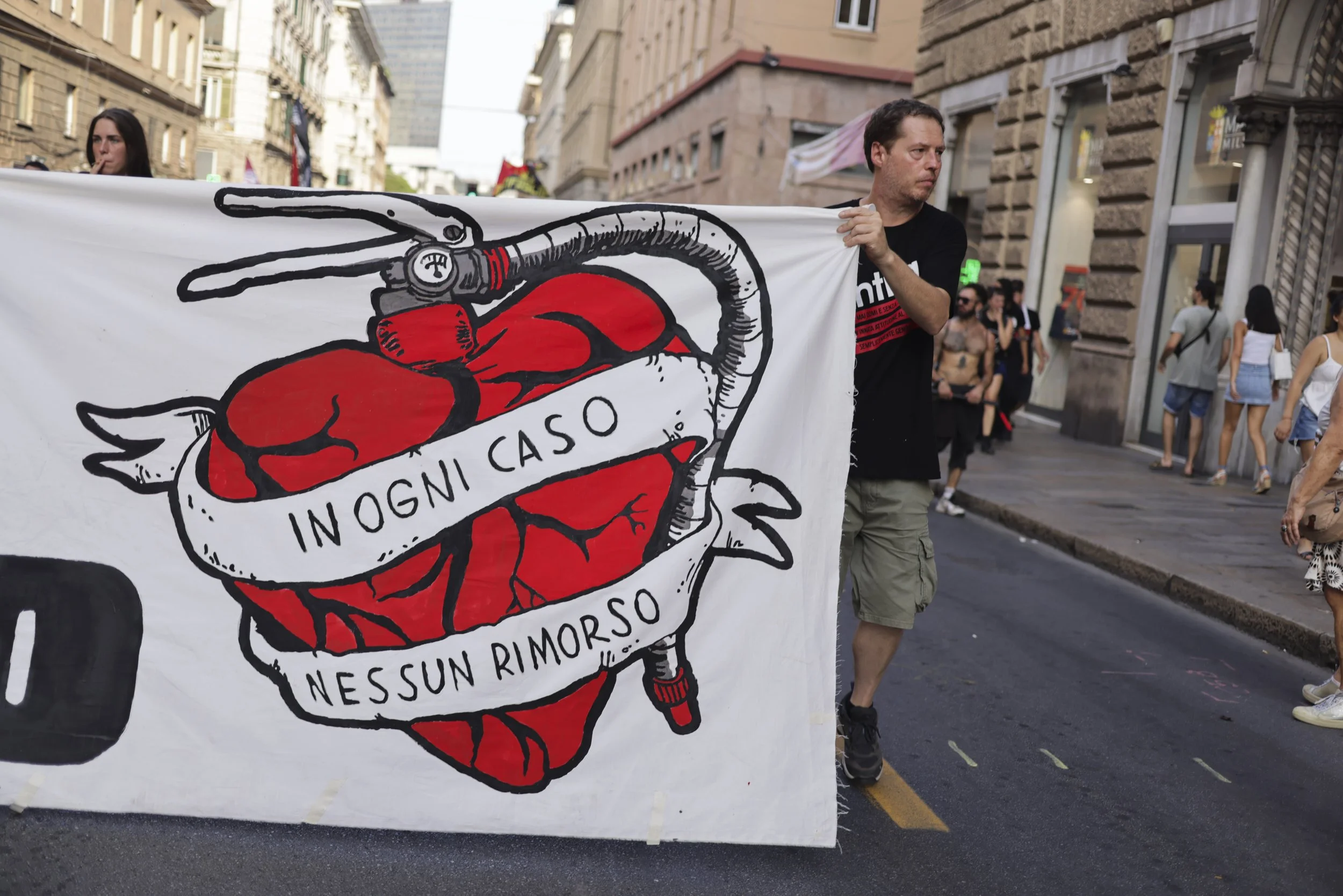
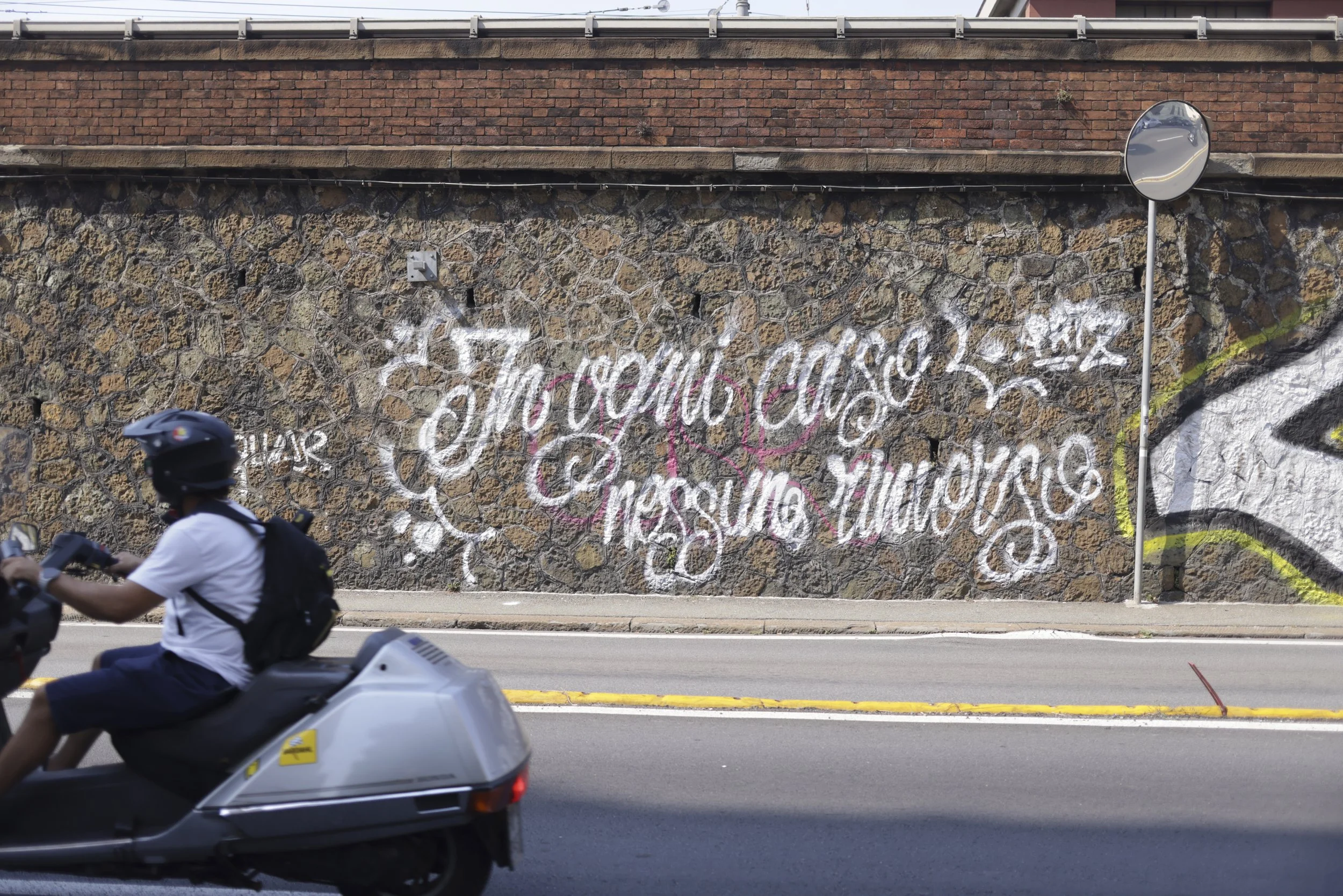
in any case - no regrets
Genova, 19–20–21 July 2026: 25 years later.
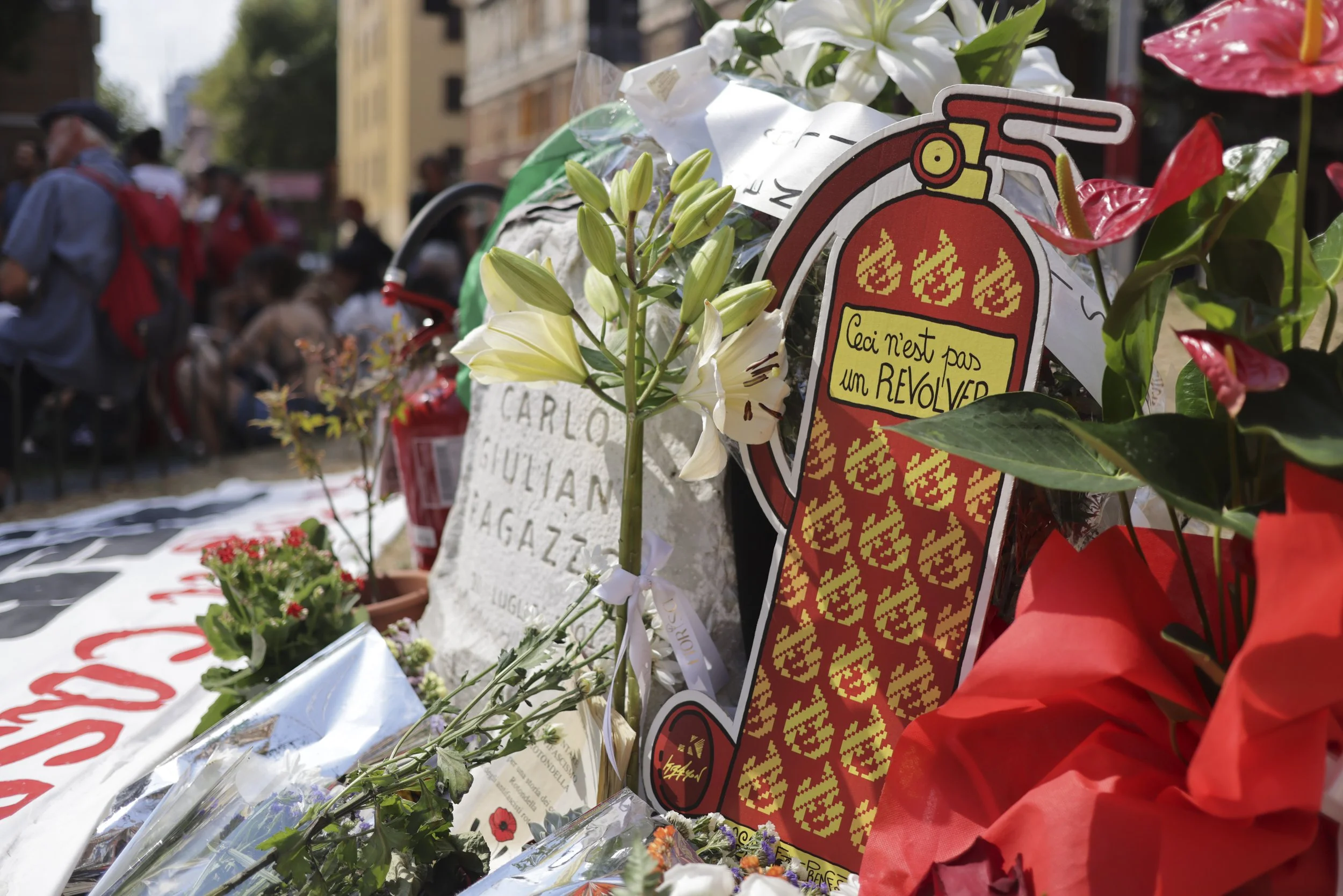
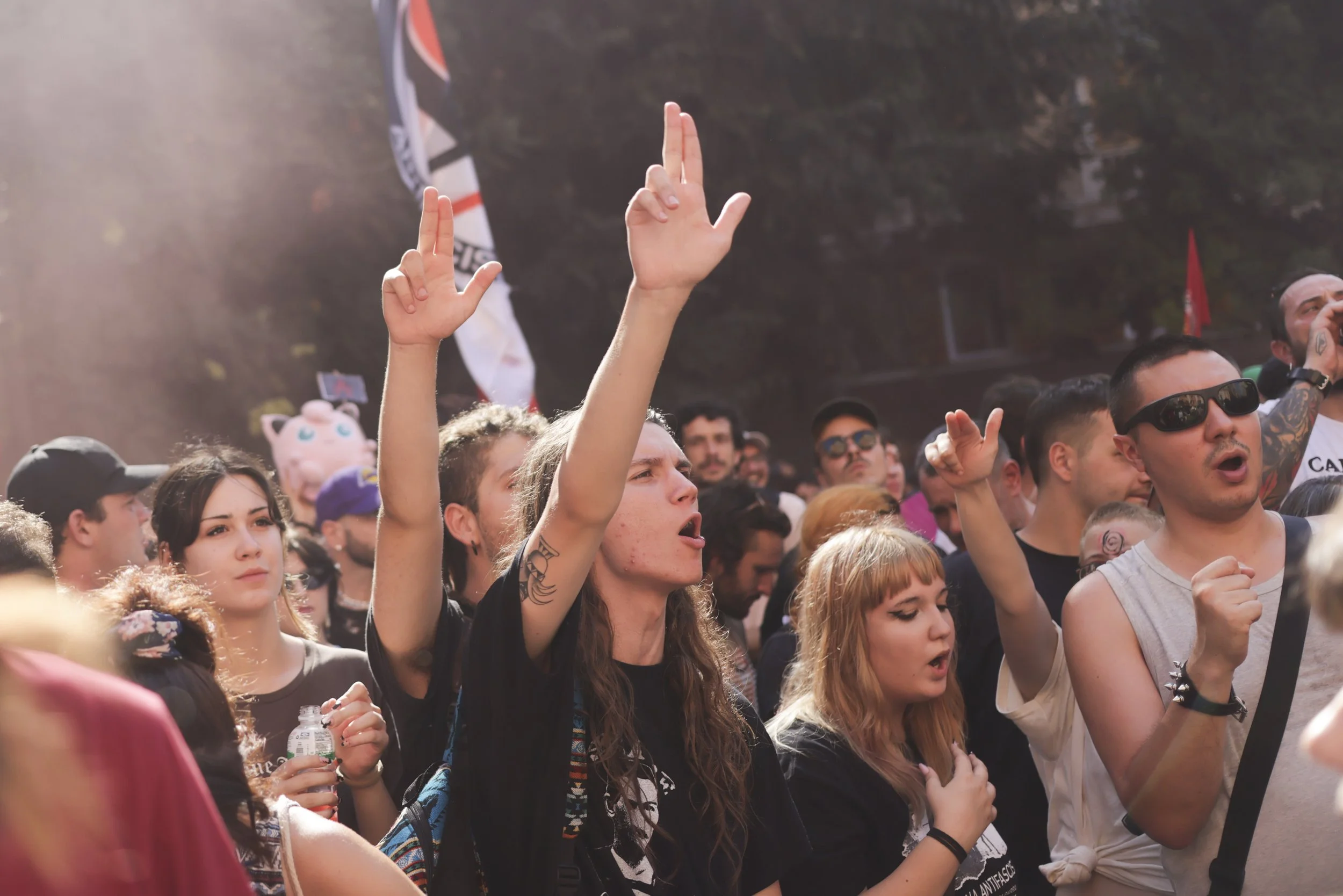
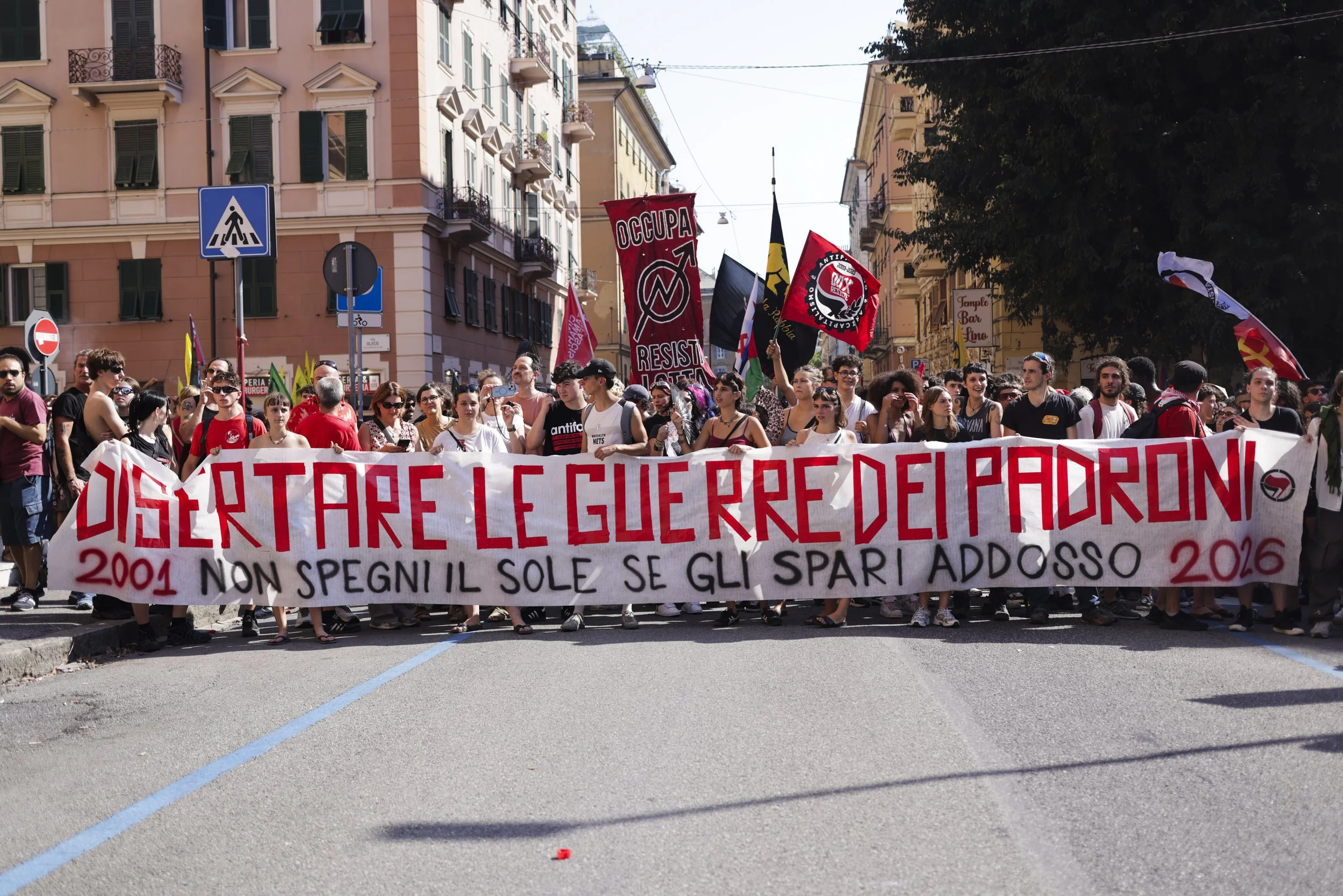
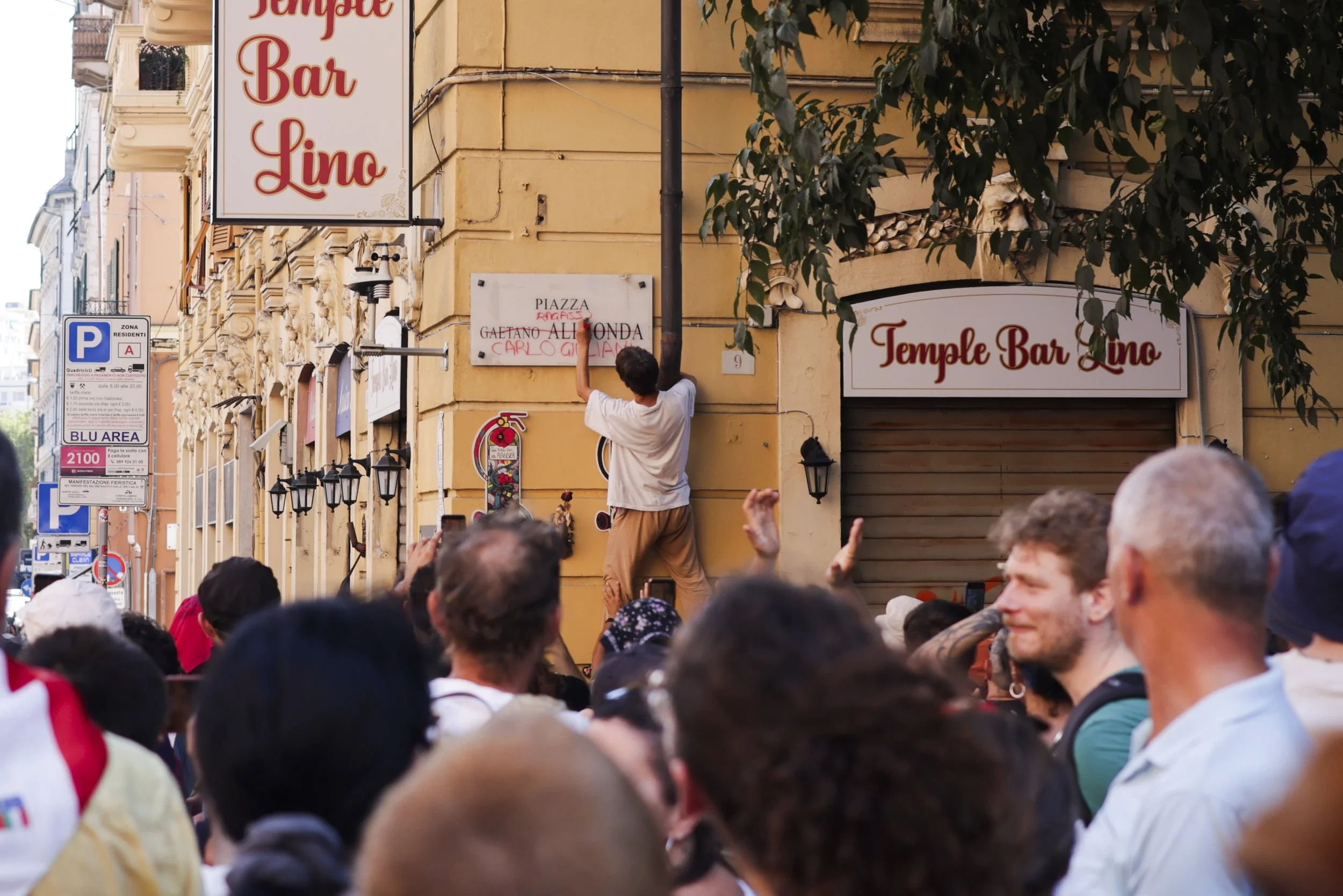
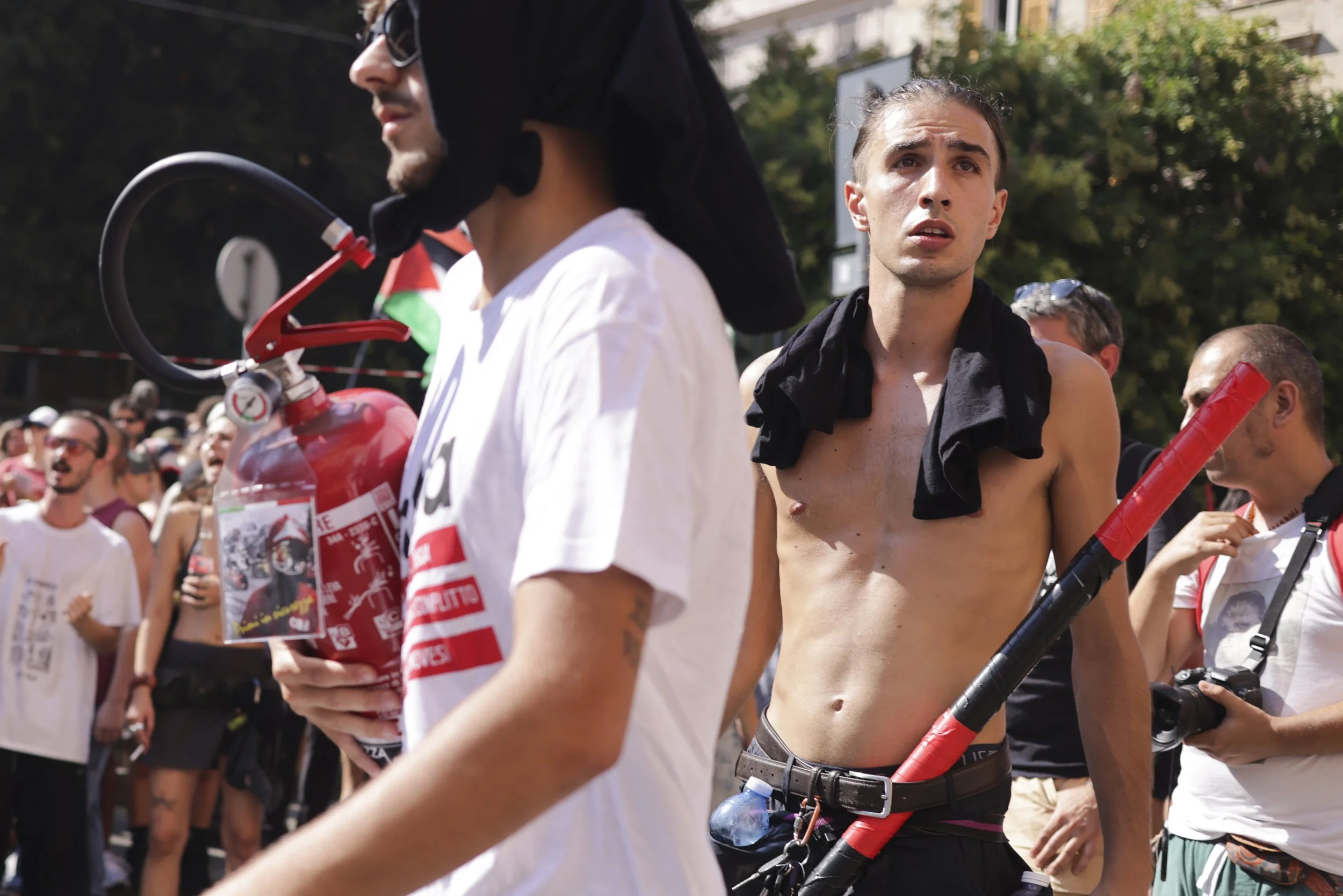
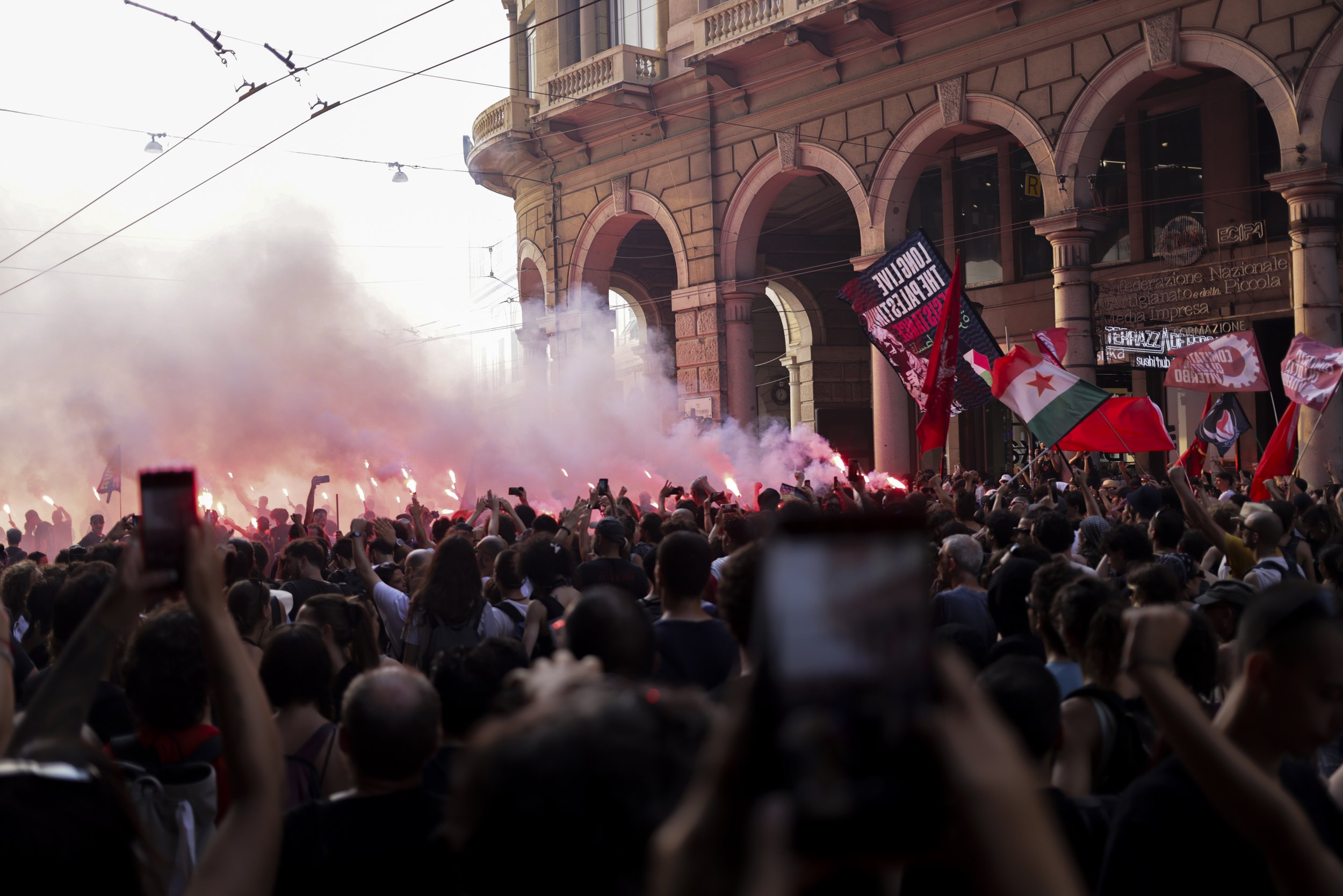
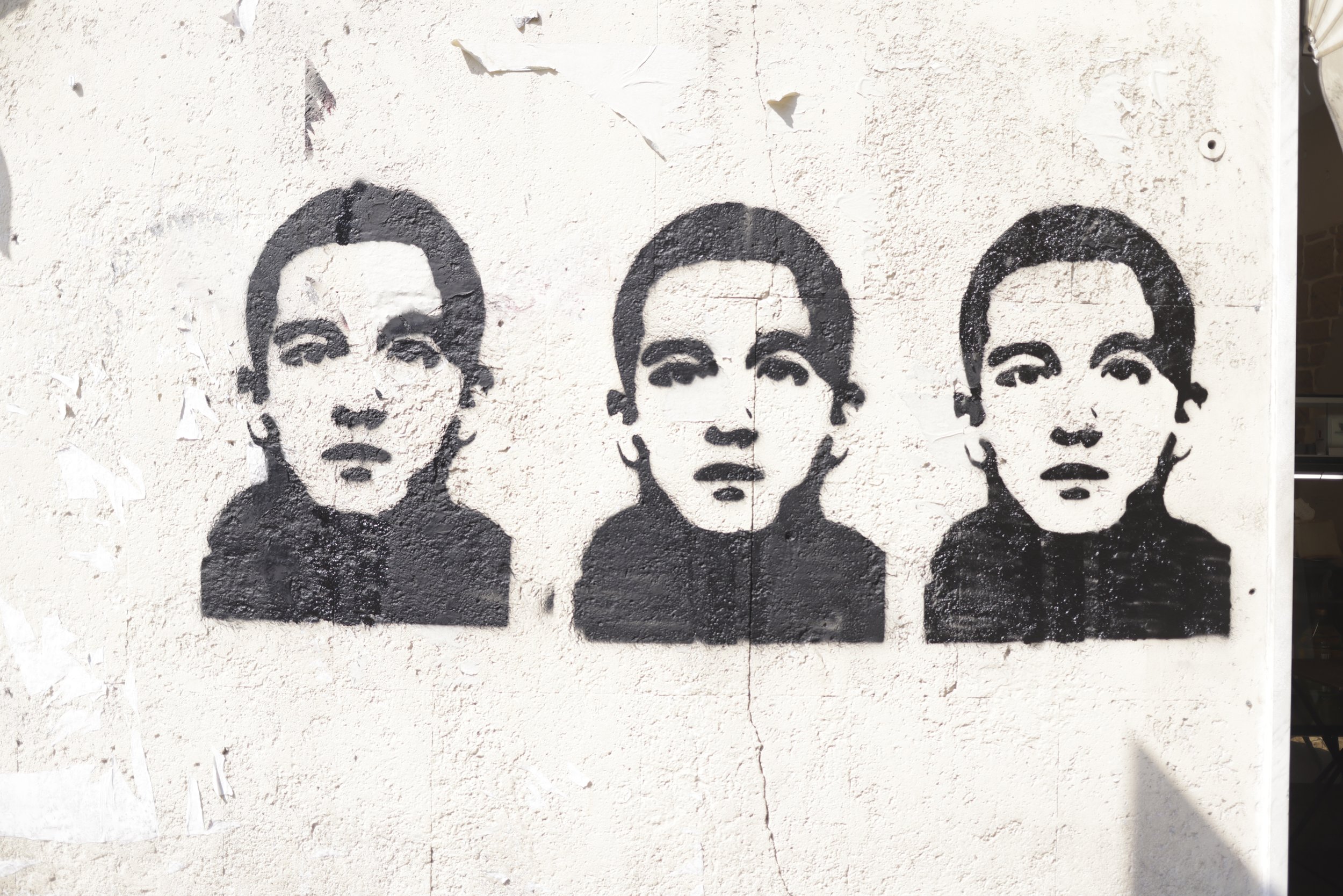
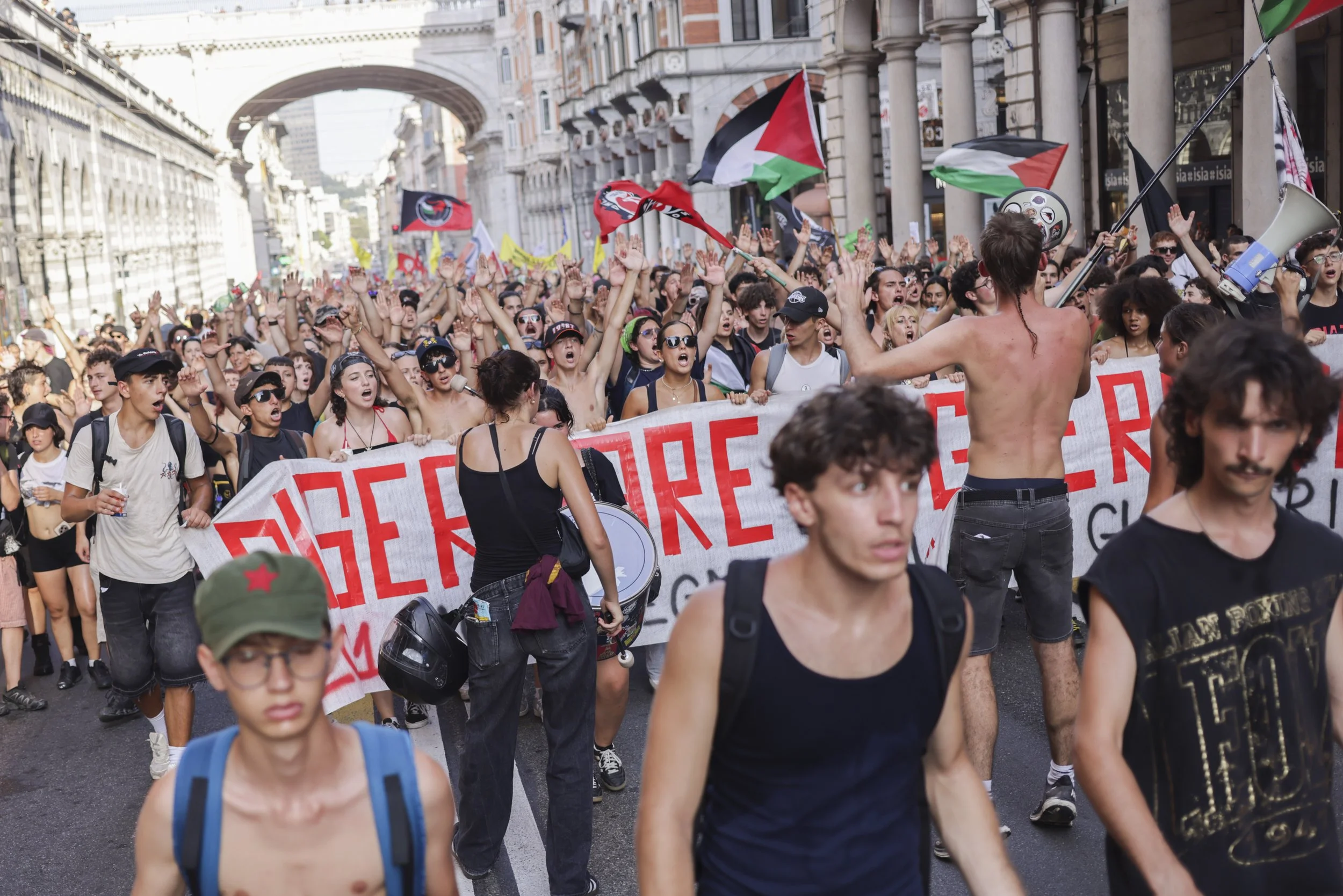
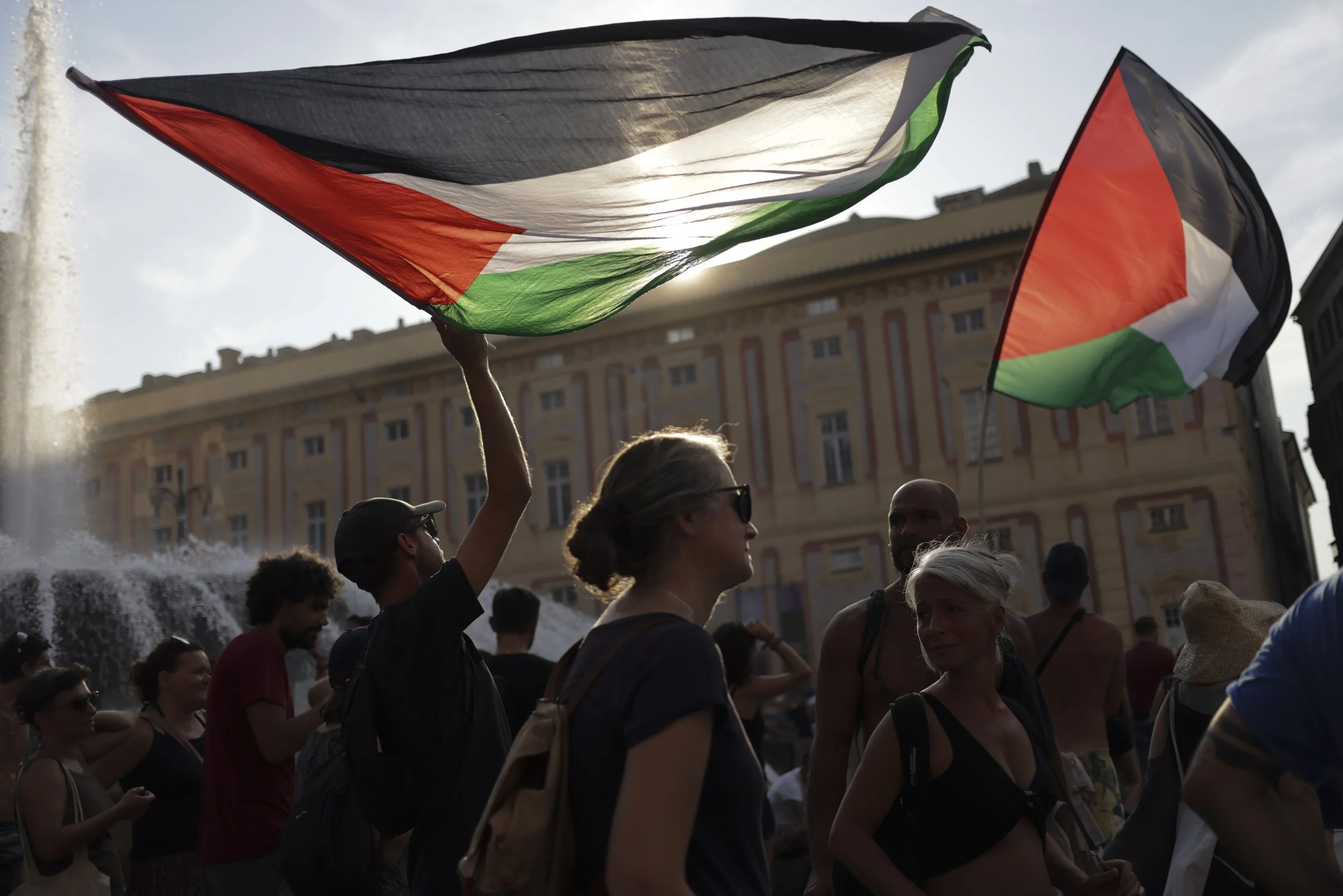
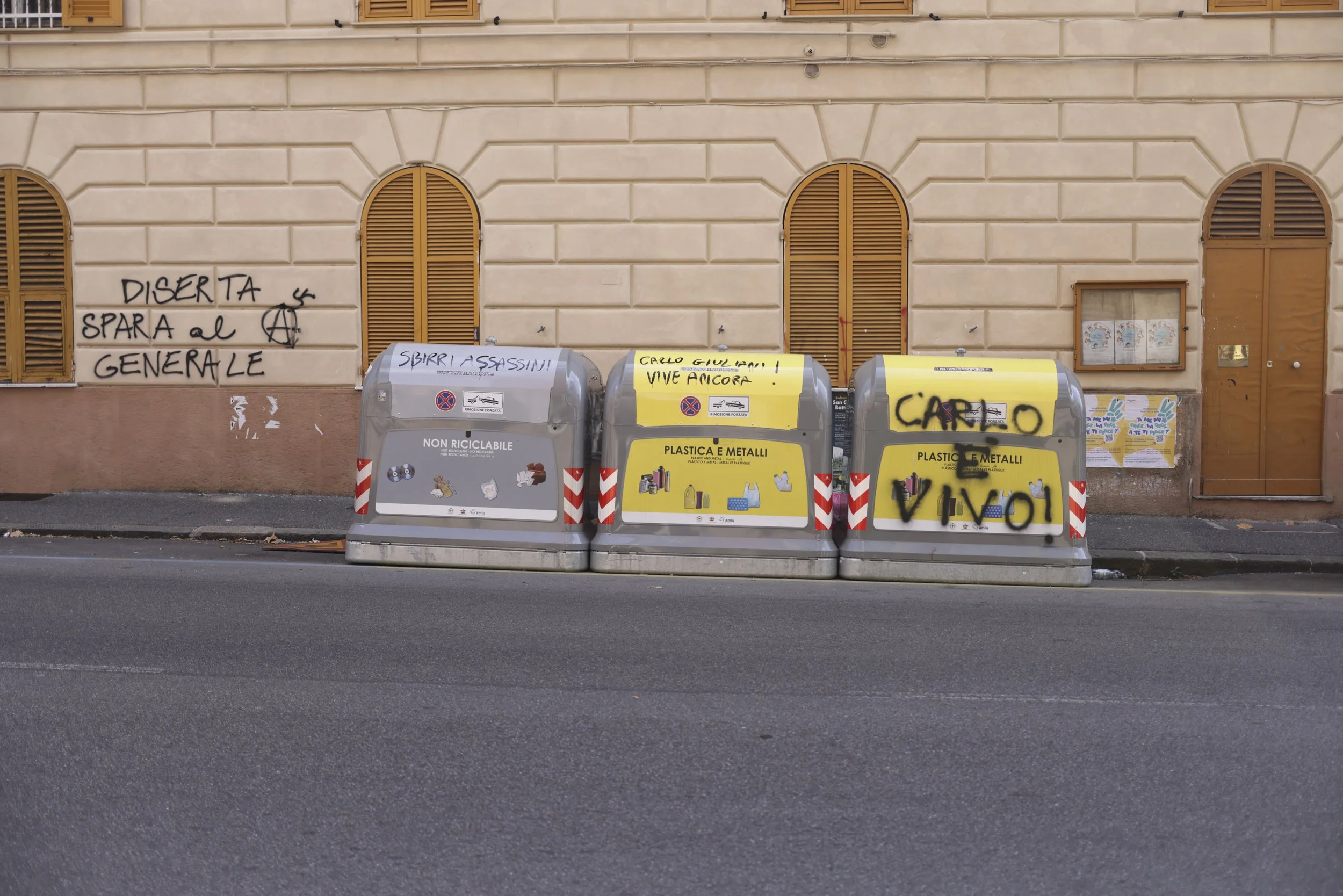
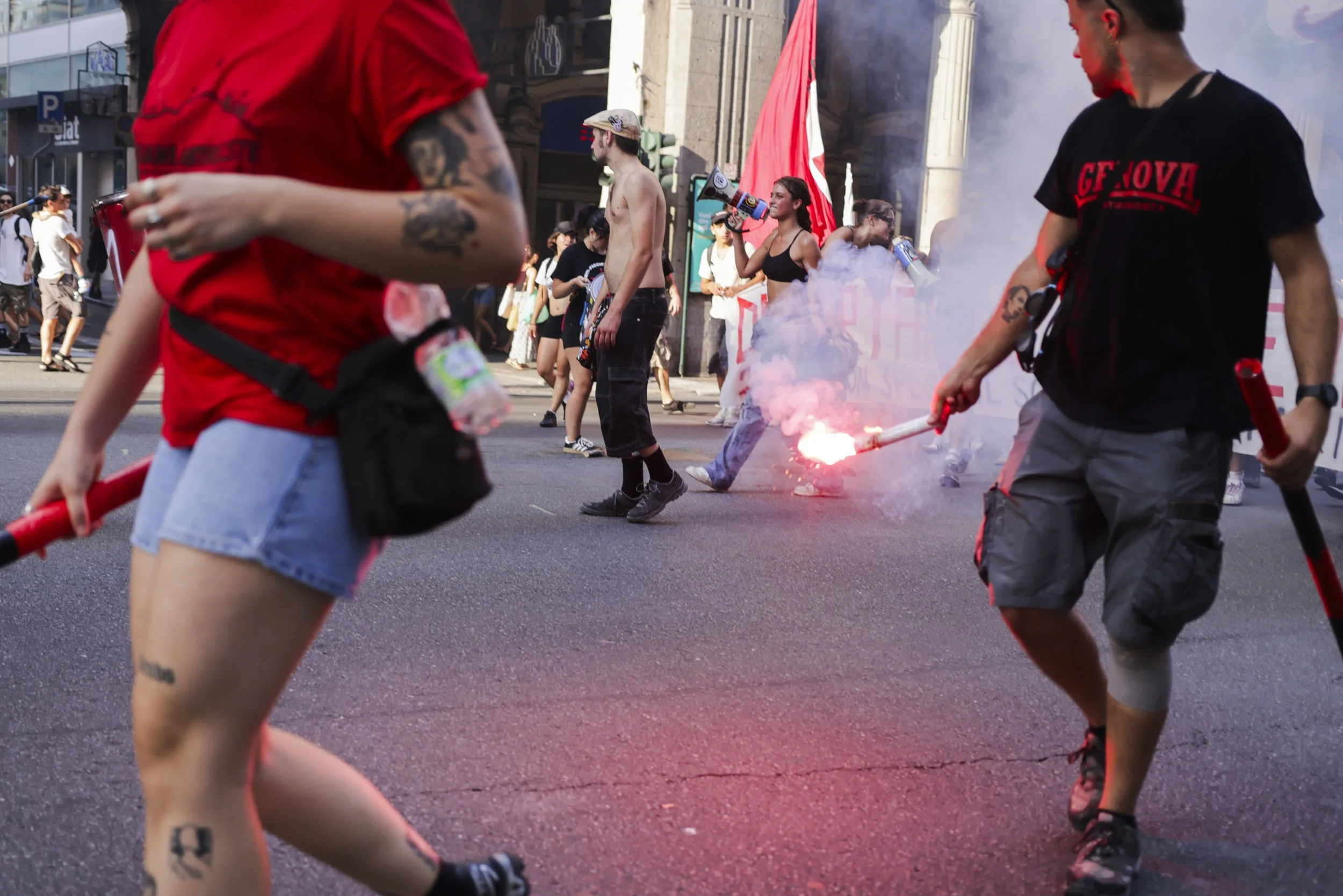
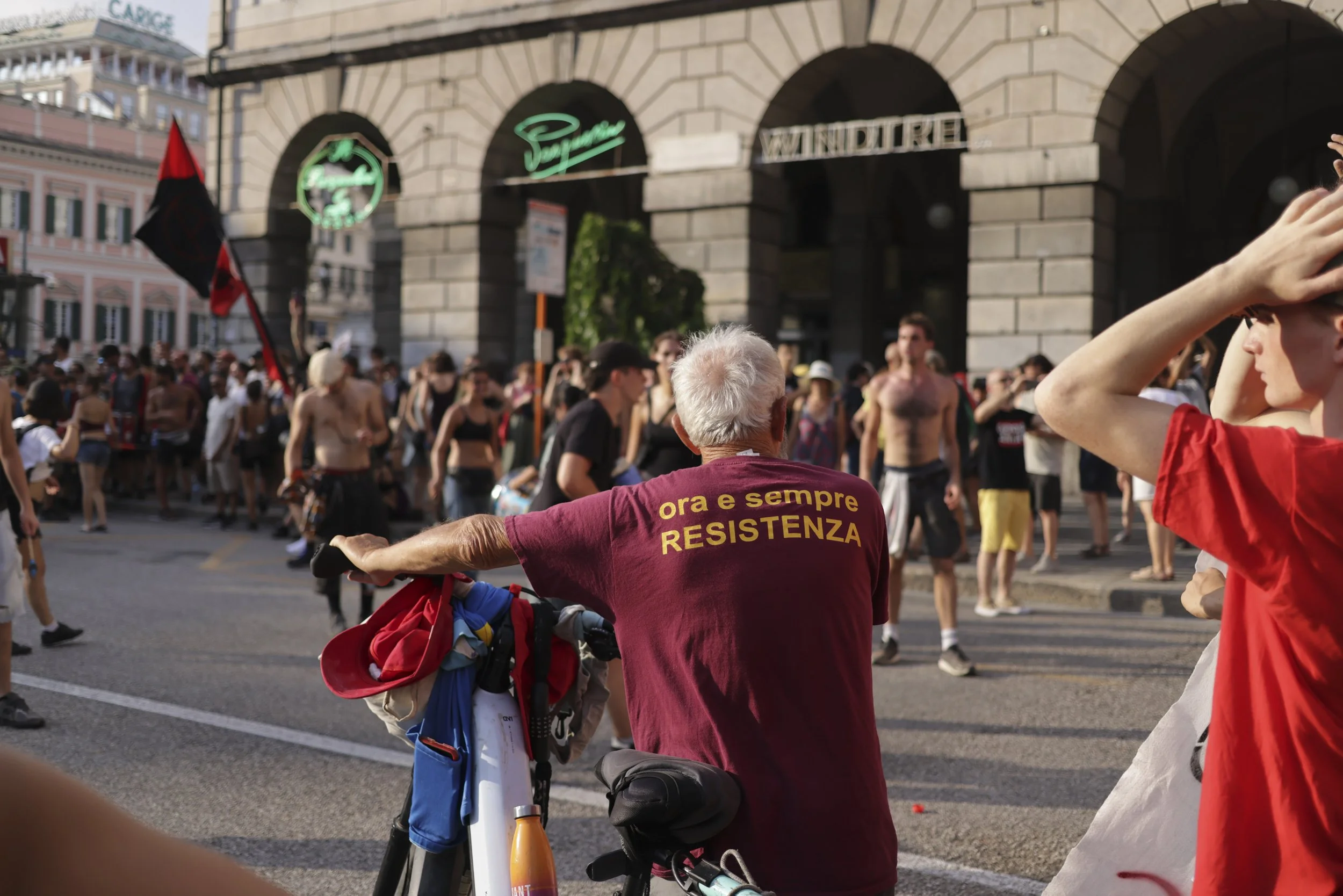
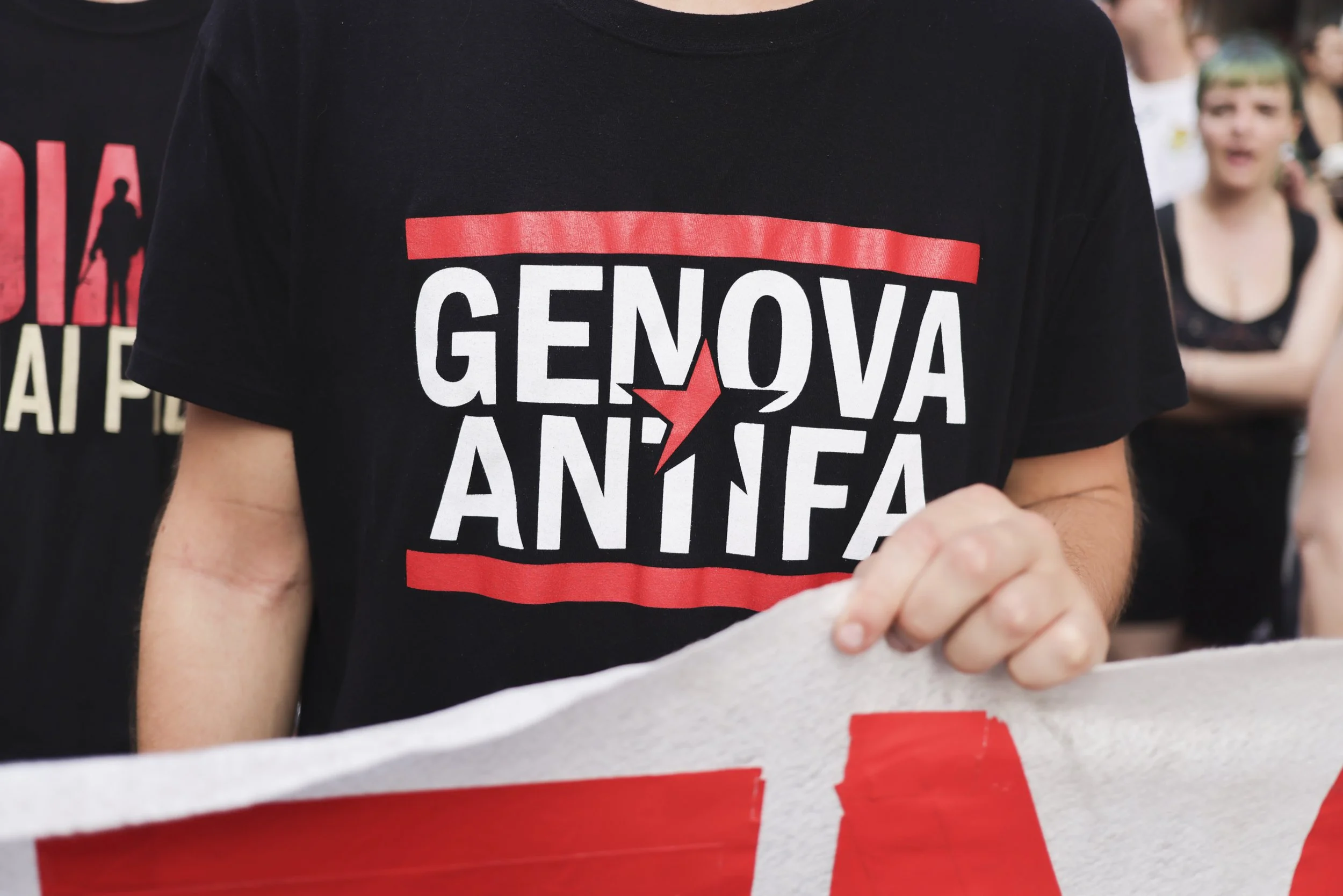
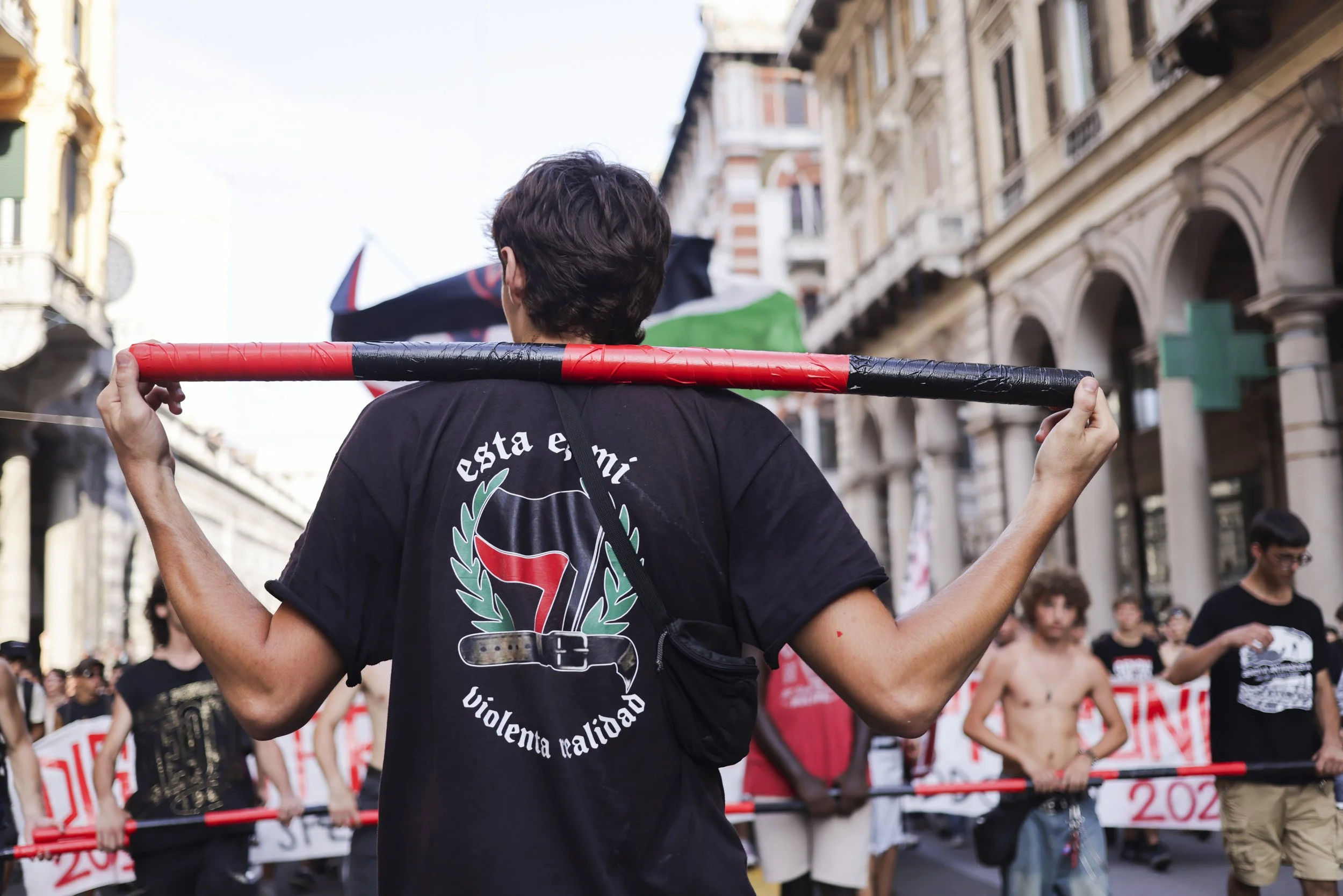
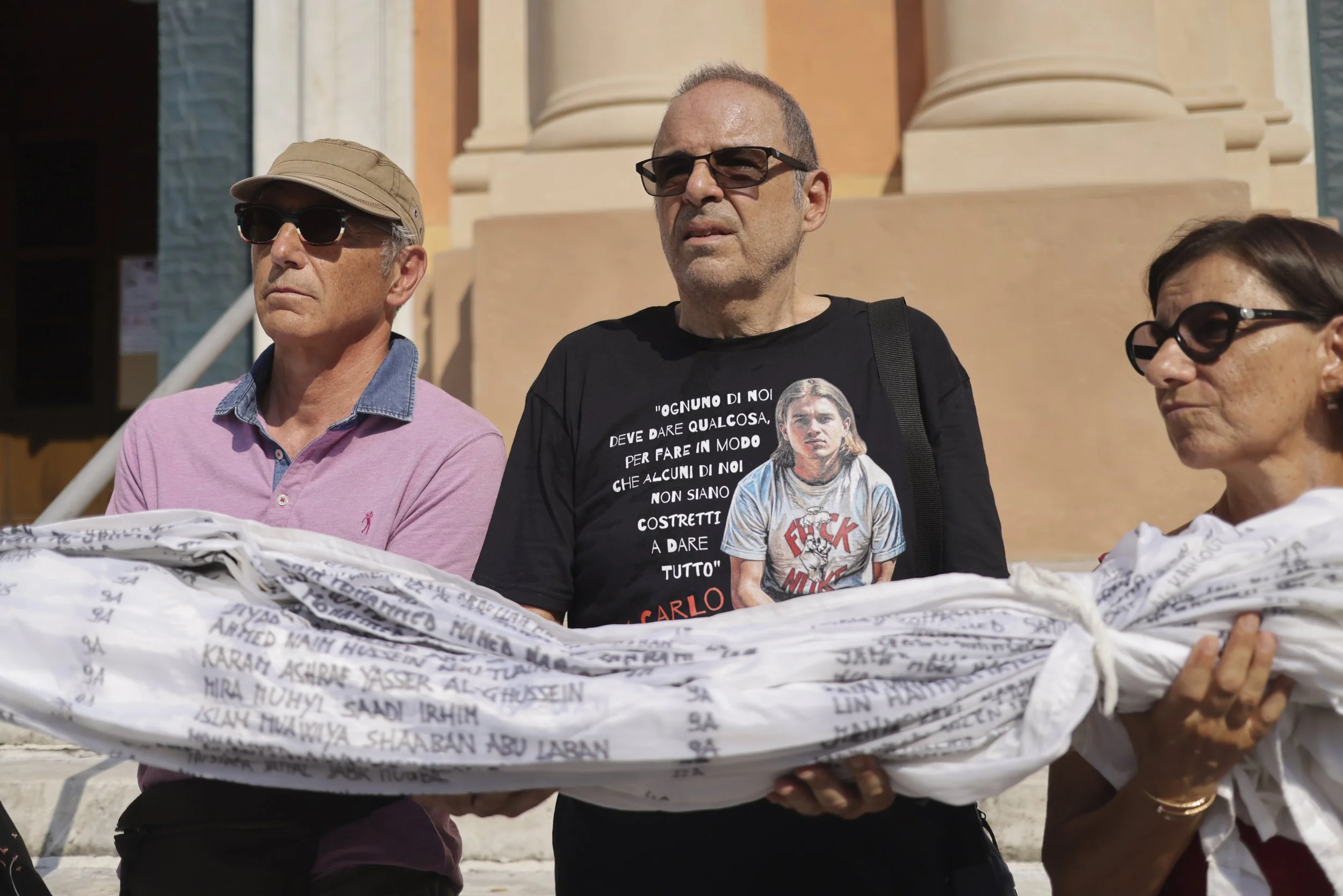
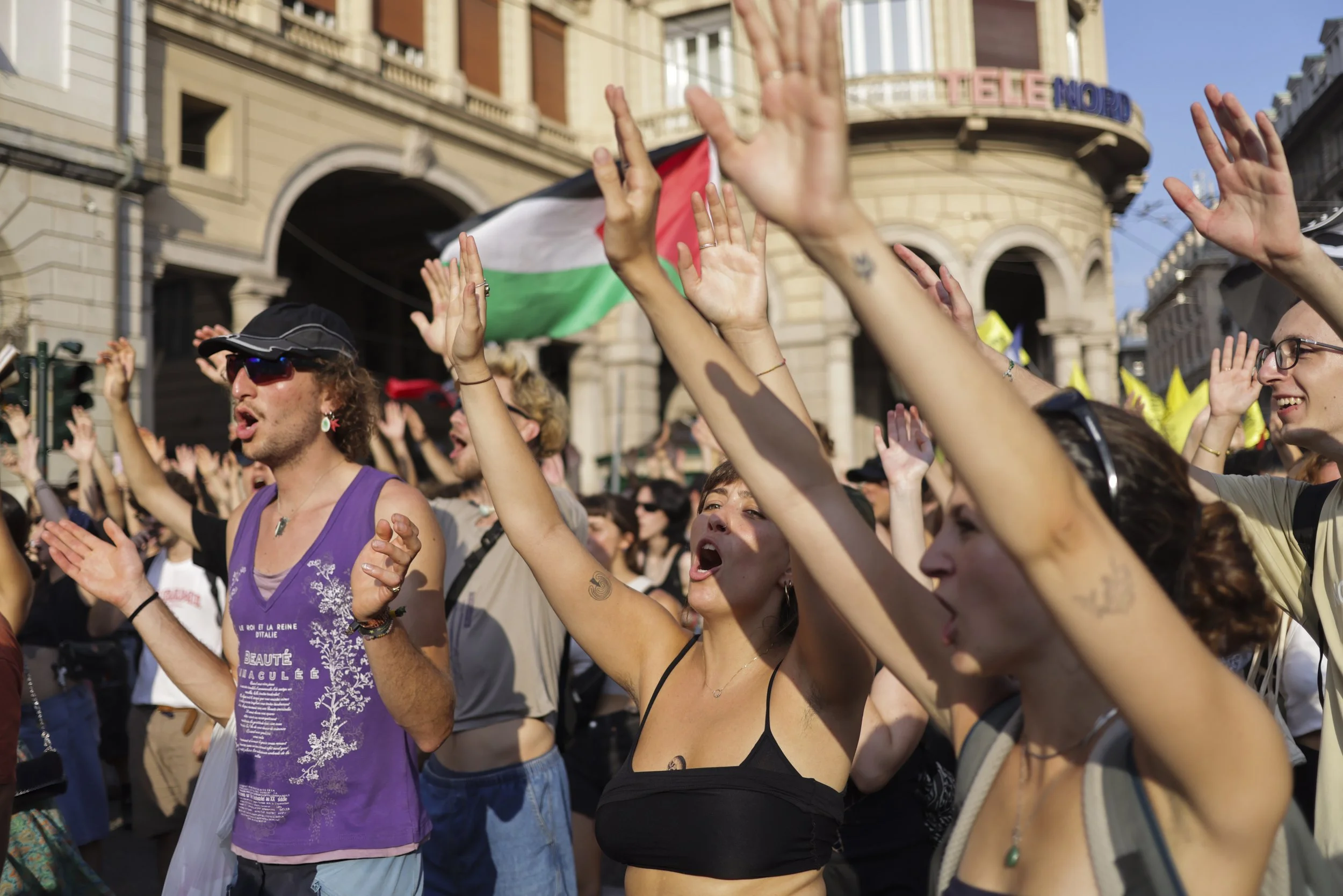
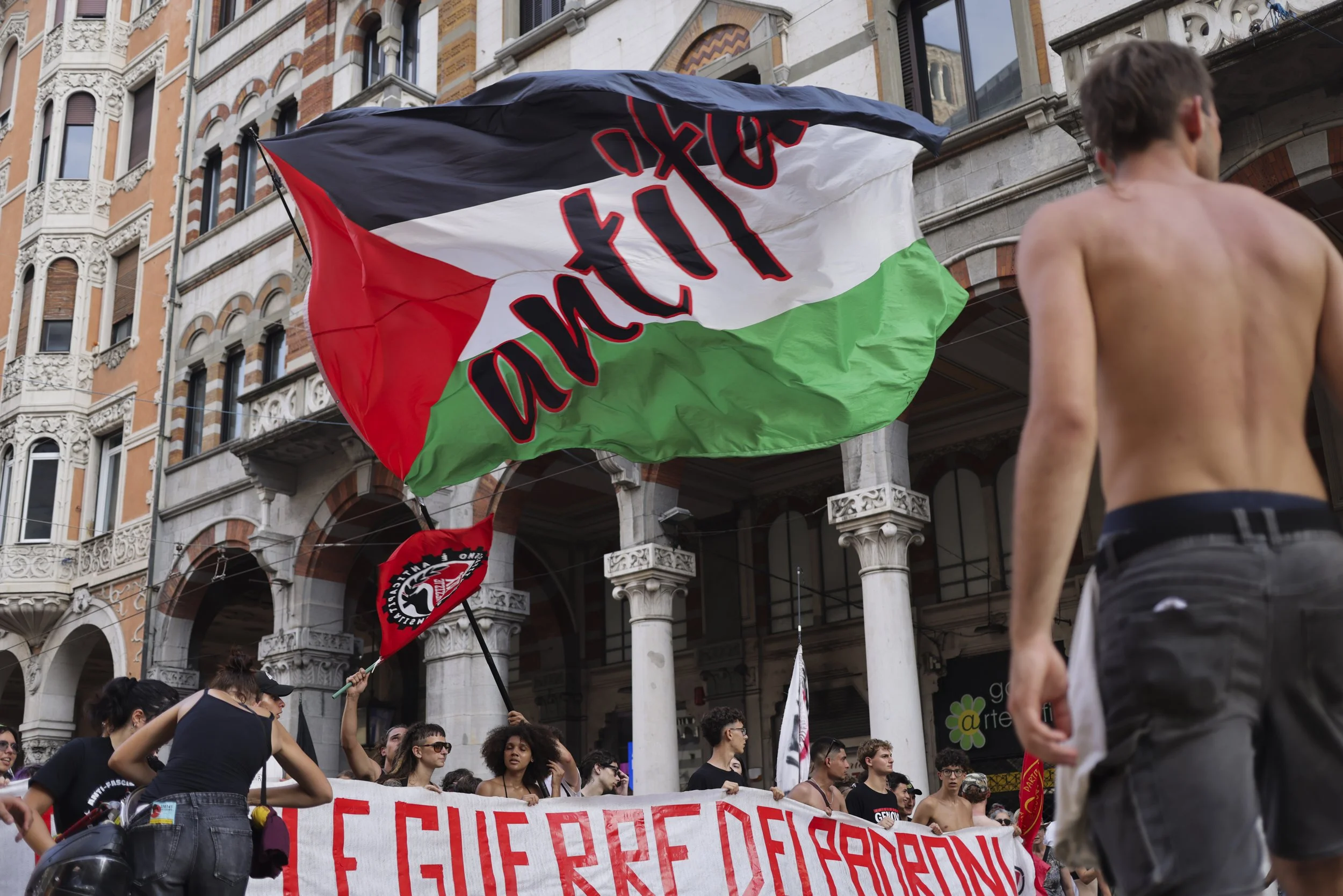
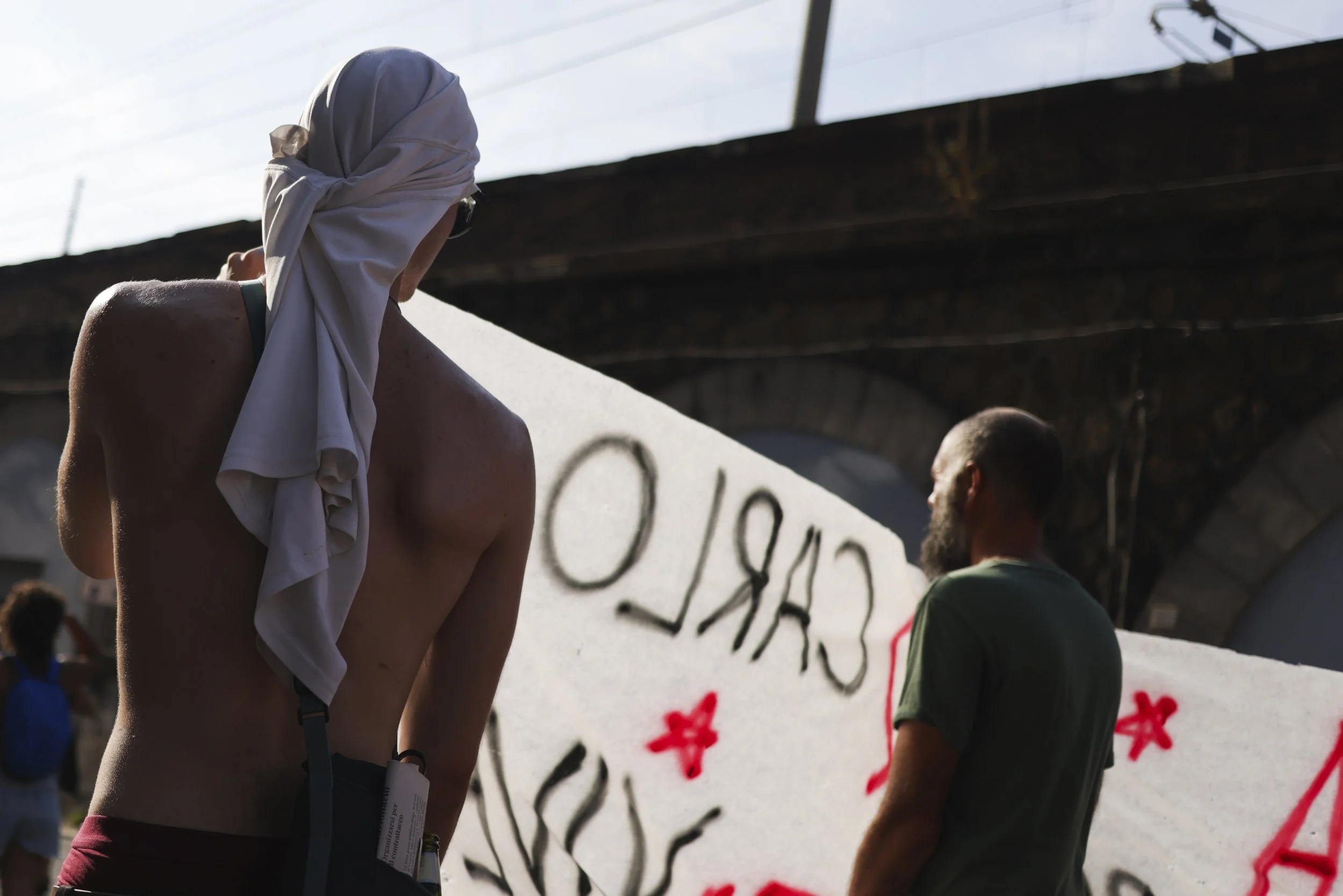
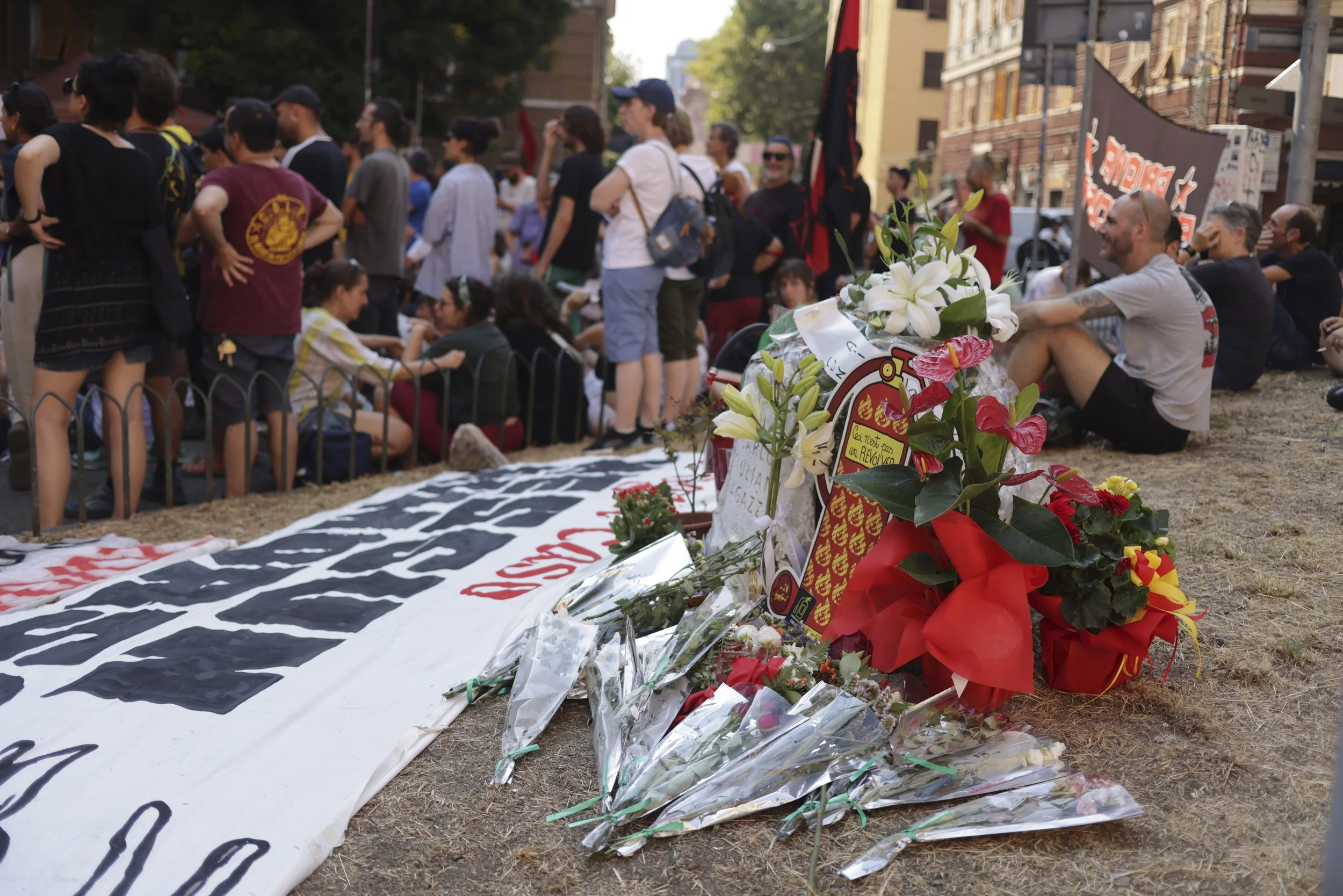
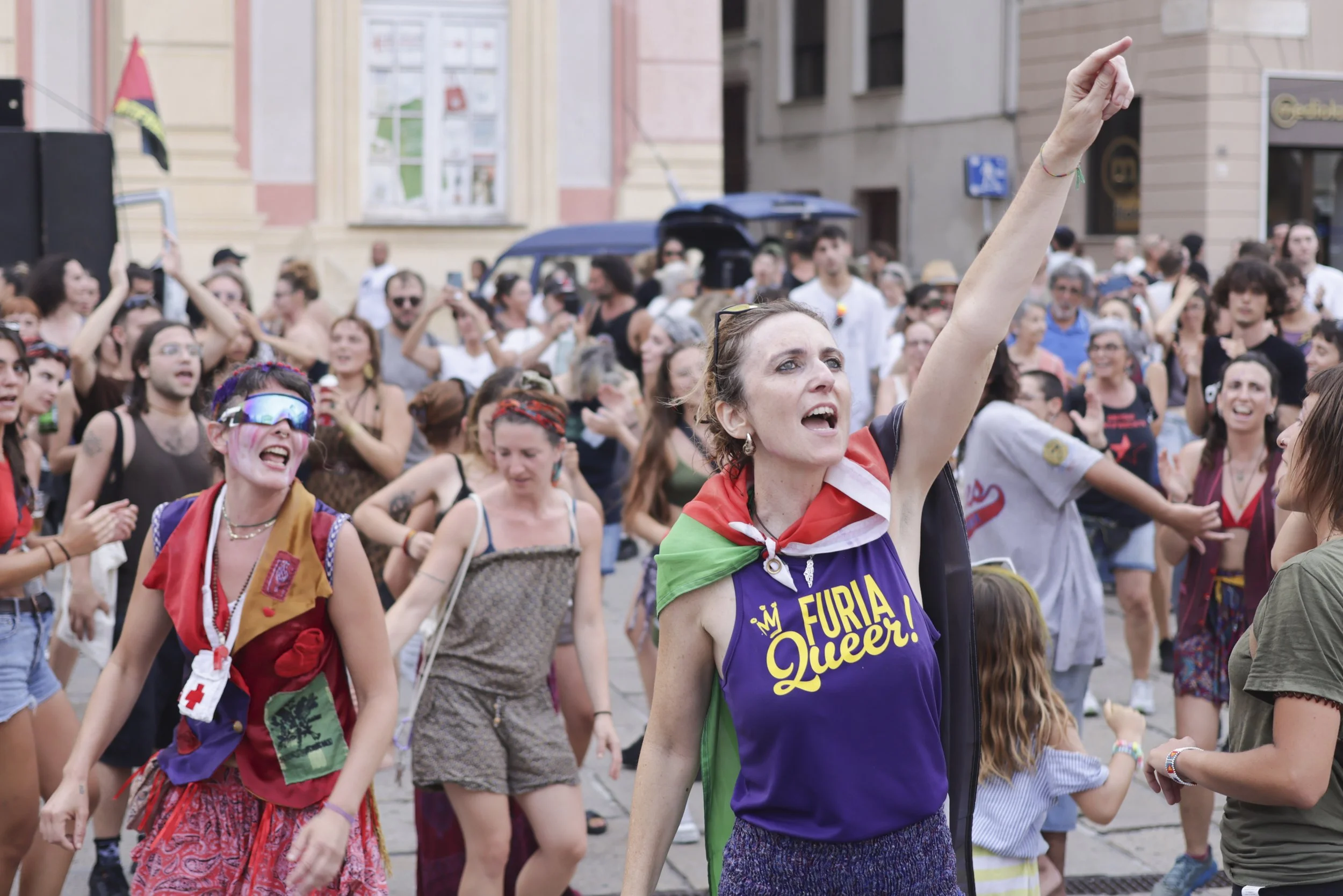
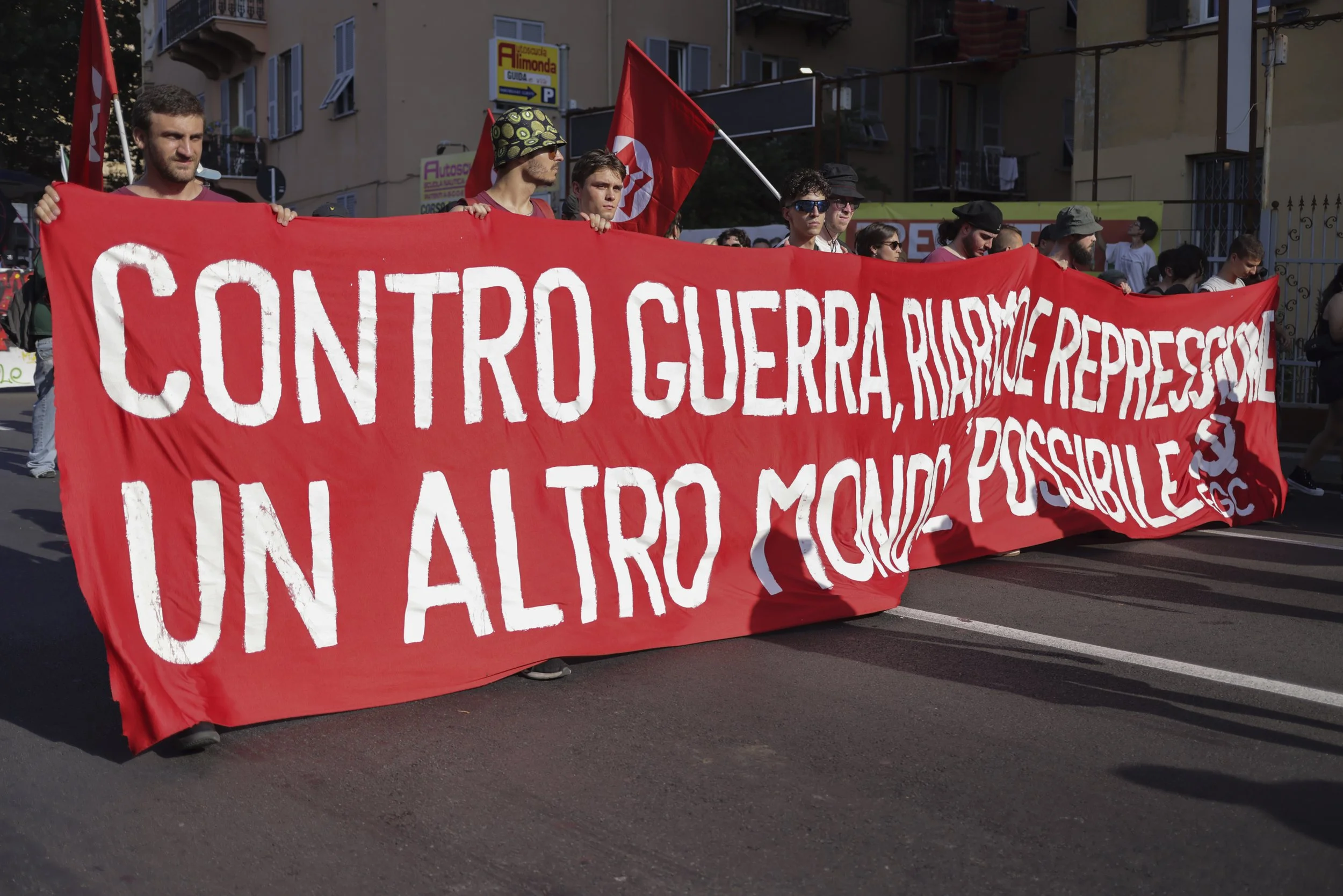
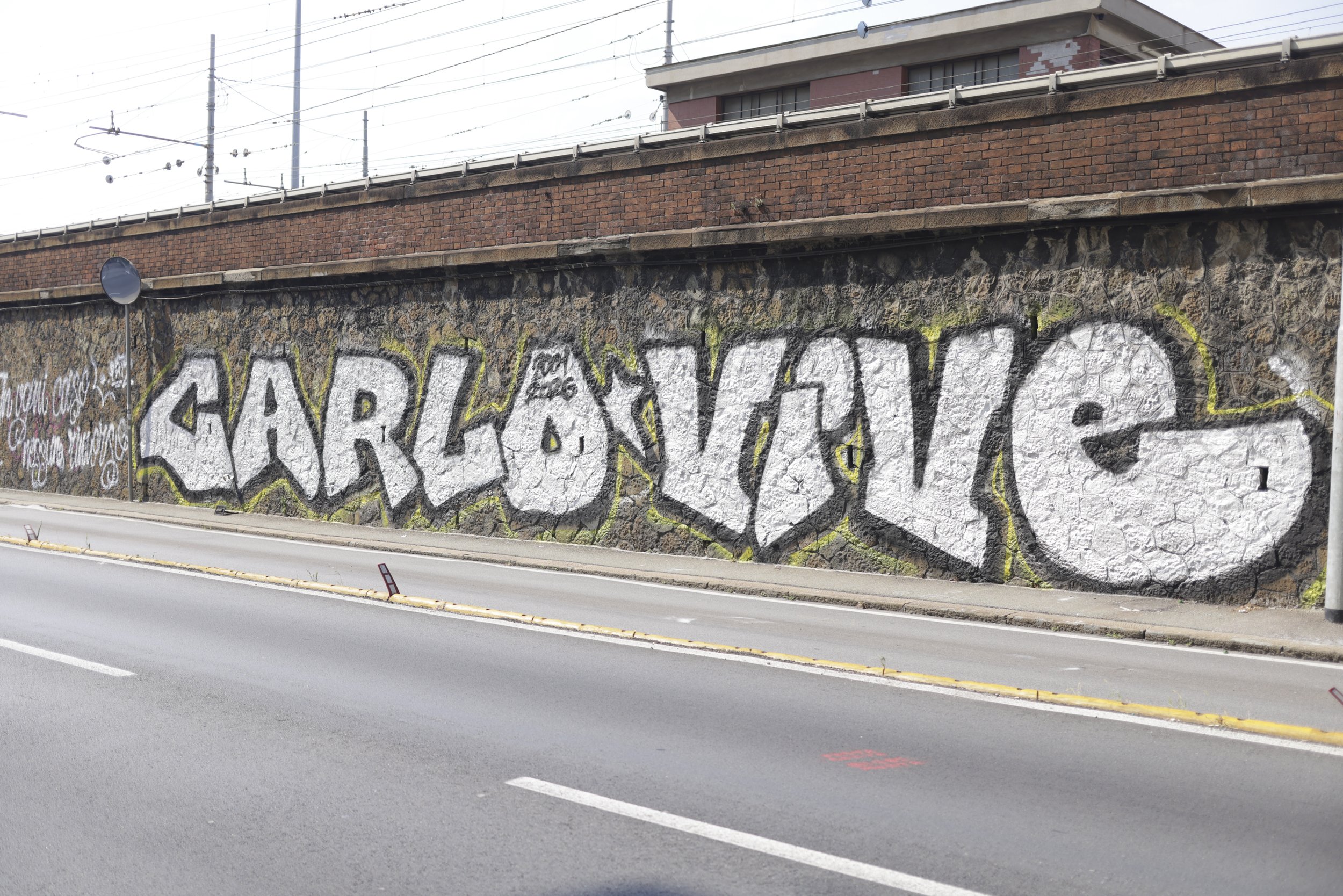
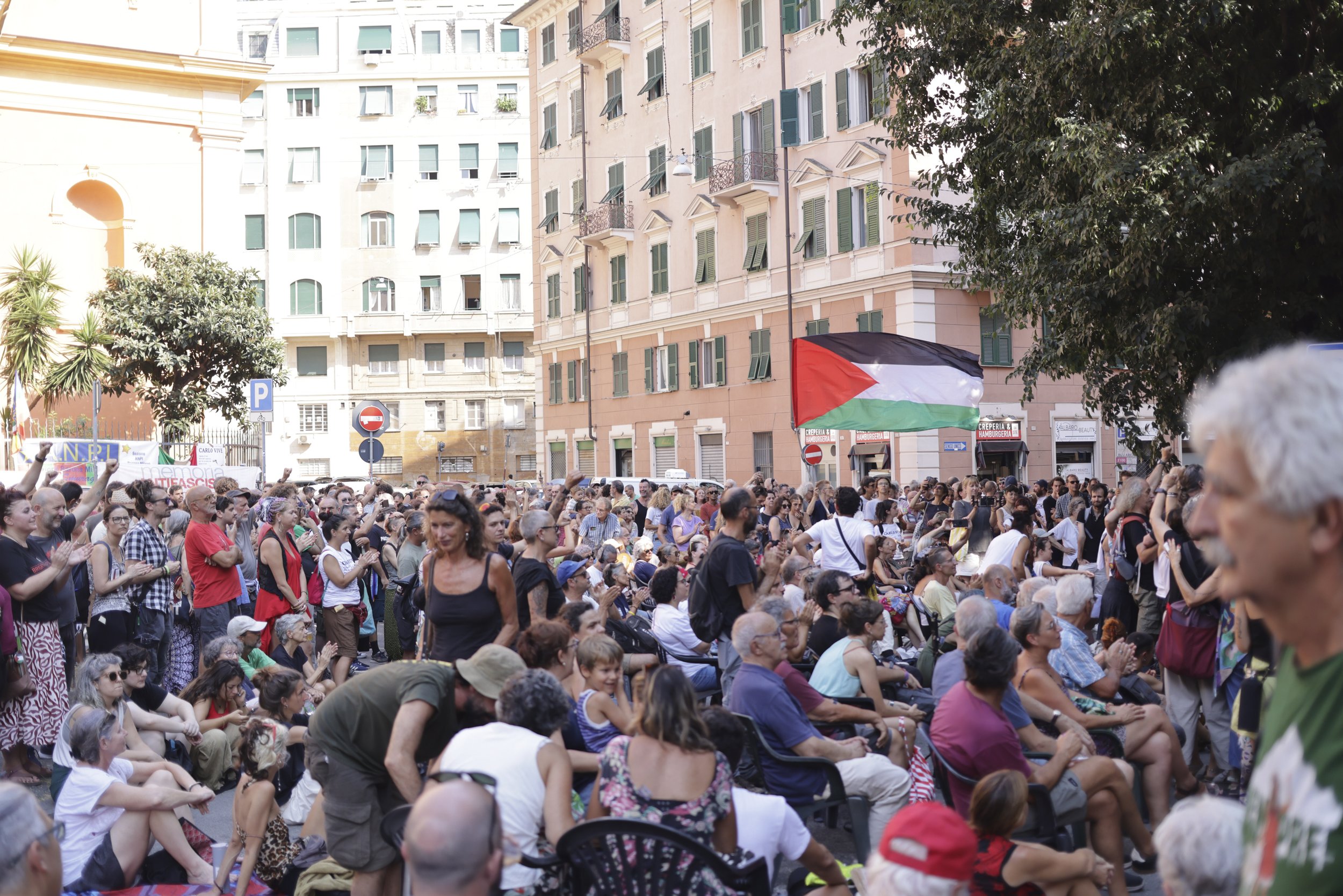
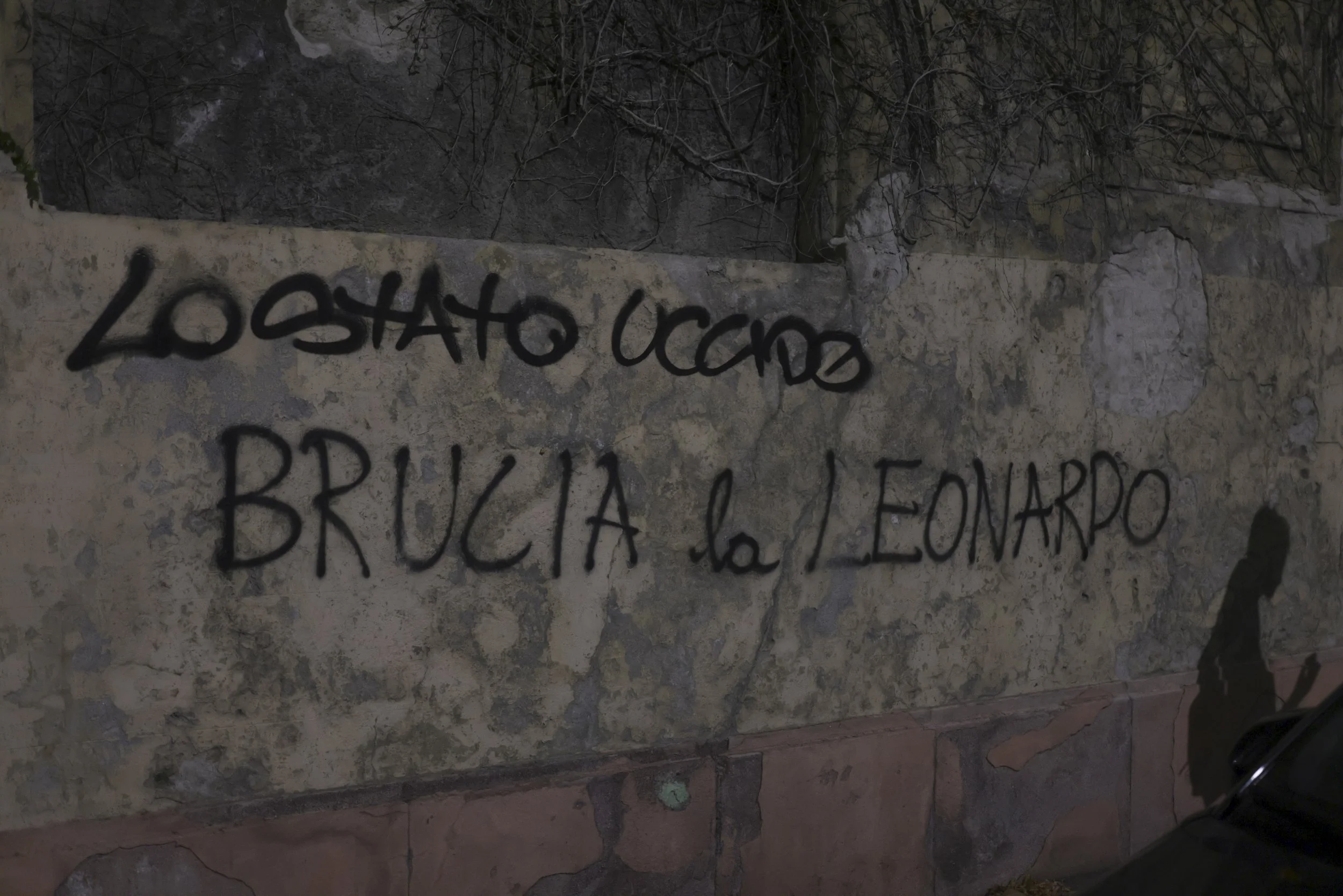
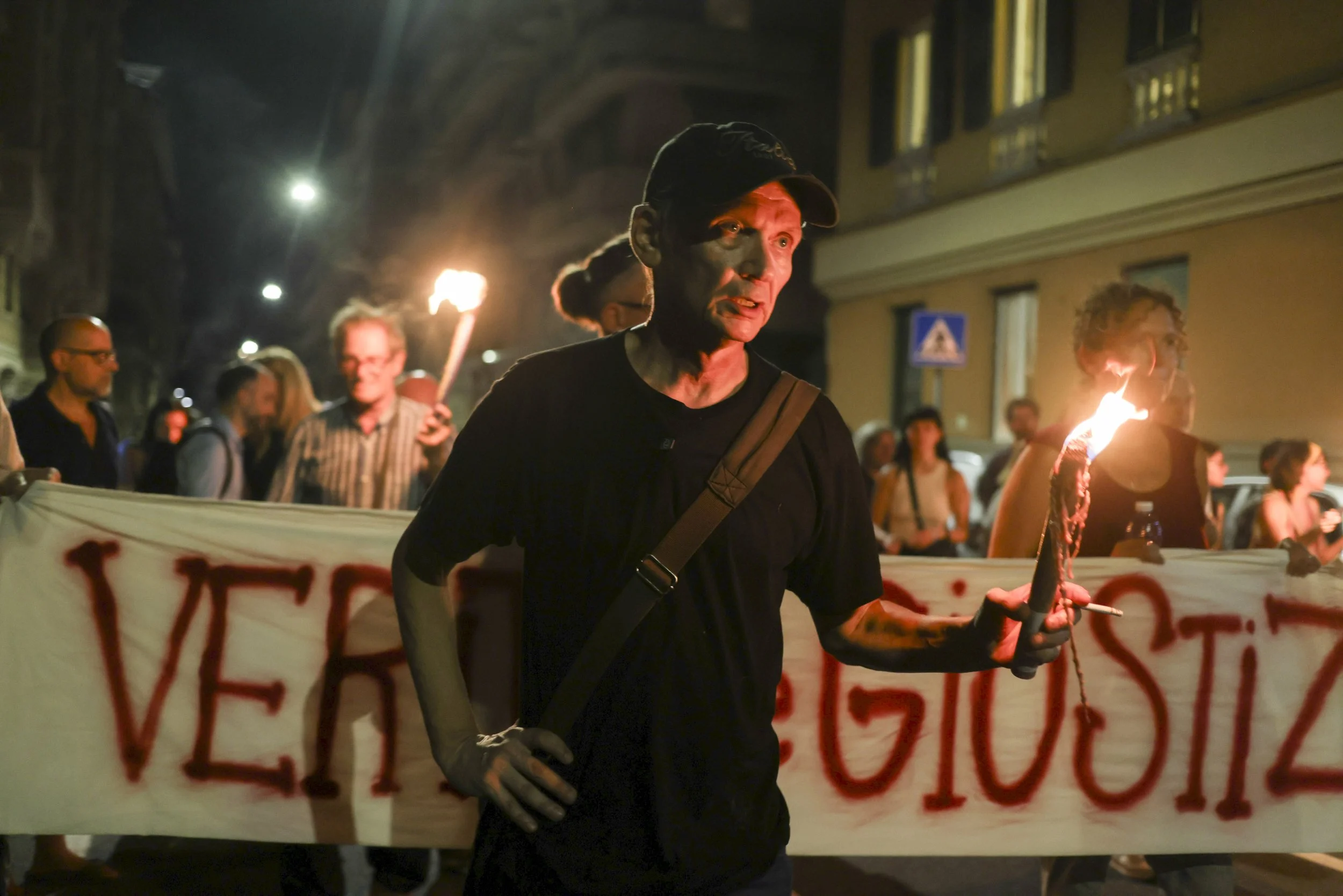
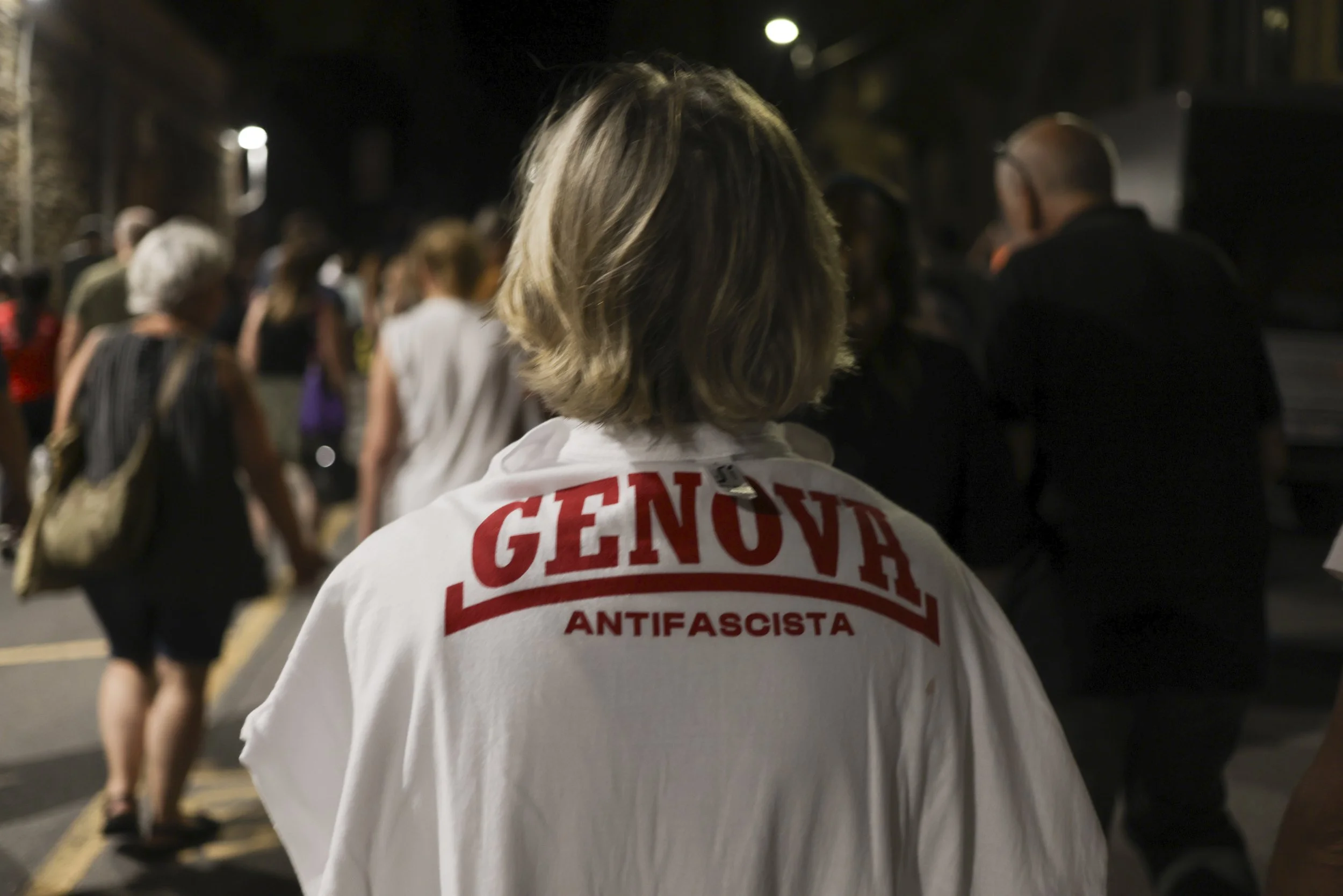
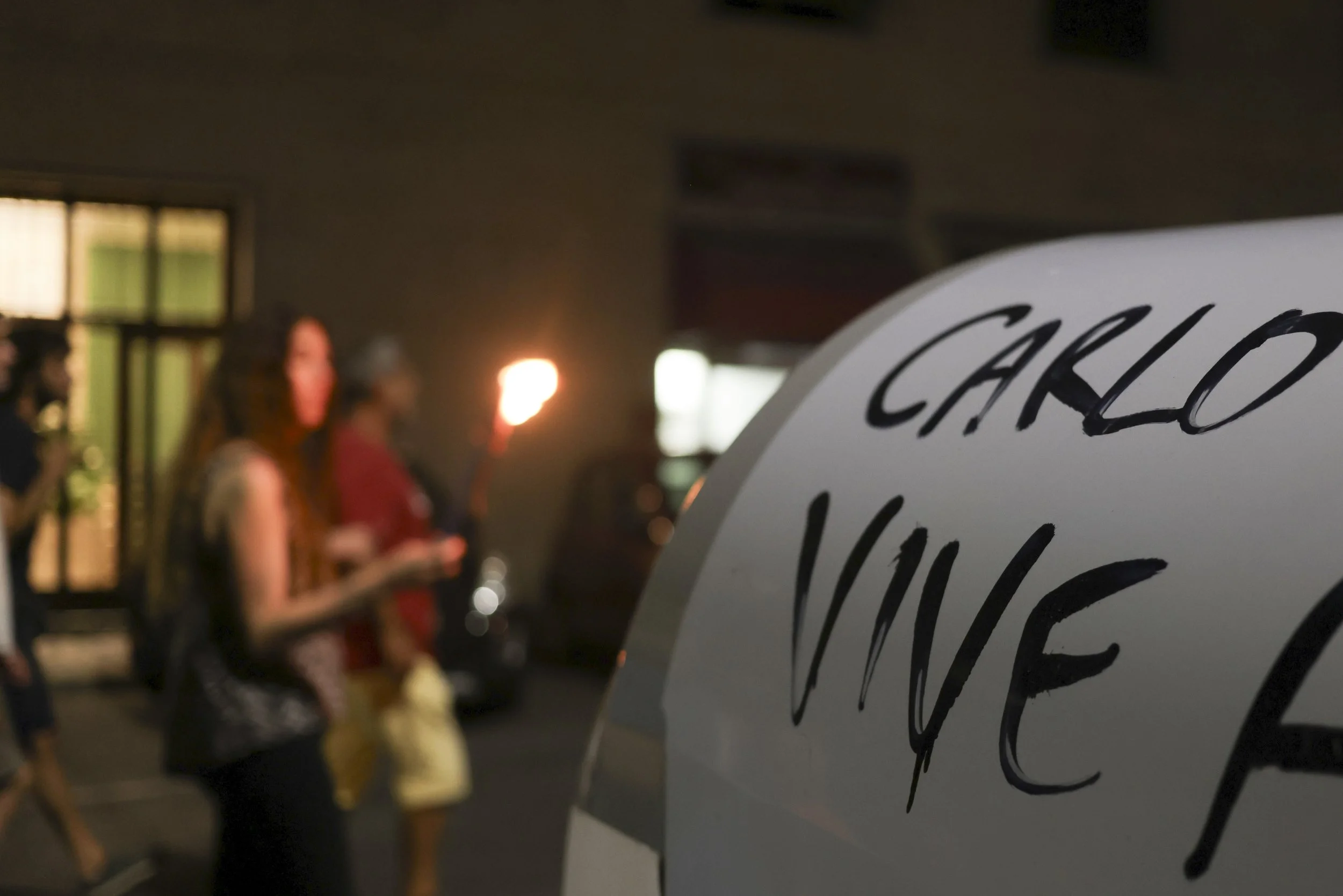
Thousands of people marched through the streets of Genova behind the banner “In ogni caso nessun rimorso” -“In any case, no regrets” to remember Carlo Giuliani, 23, who was killed on 20 July 2001 during protests against the G8 summit in Genoa, after being shot by Carabiniere Mario Placanica.
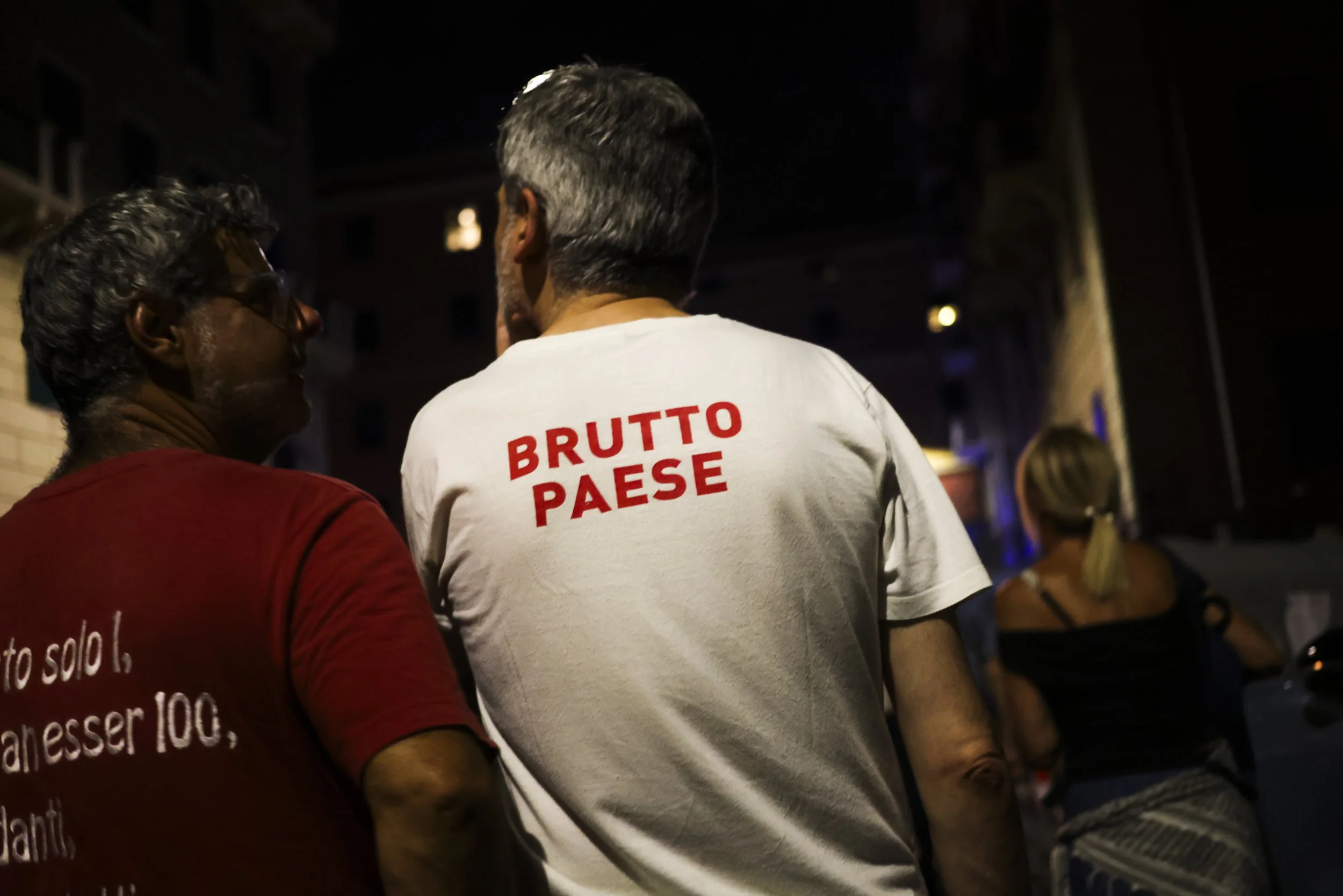
Twenty-five years later, the events of those three days were not only an act of remembrance. They were also a collective call against police brutality, state violence, and the systems of legalized repression that continue to claim lives in Italy and around the world today.
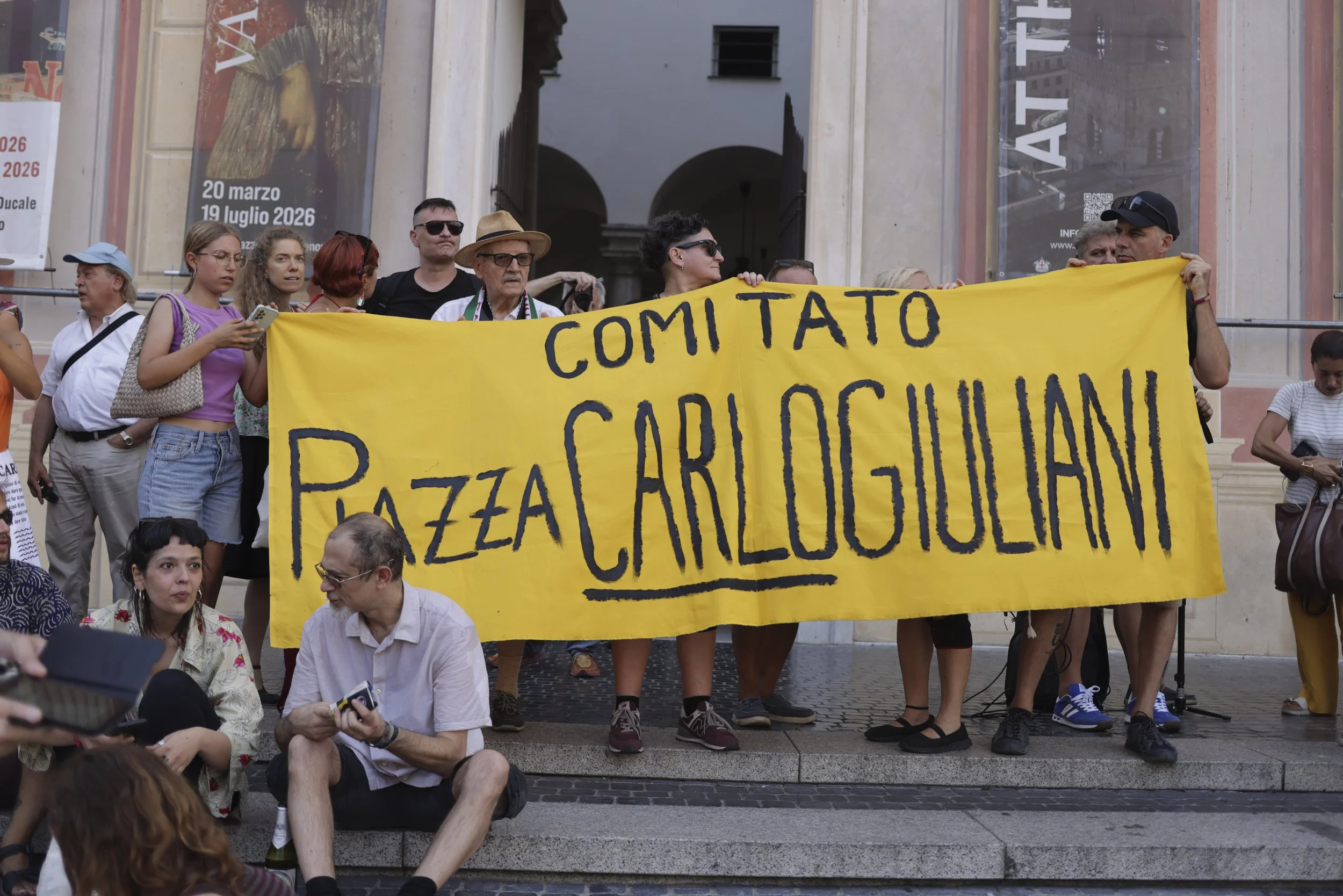
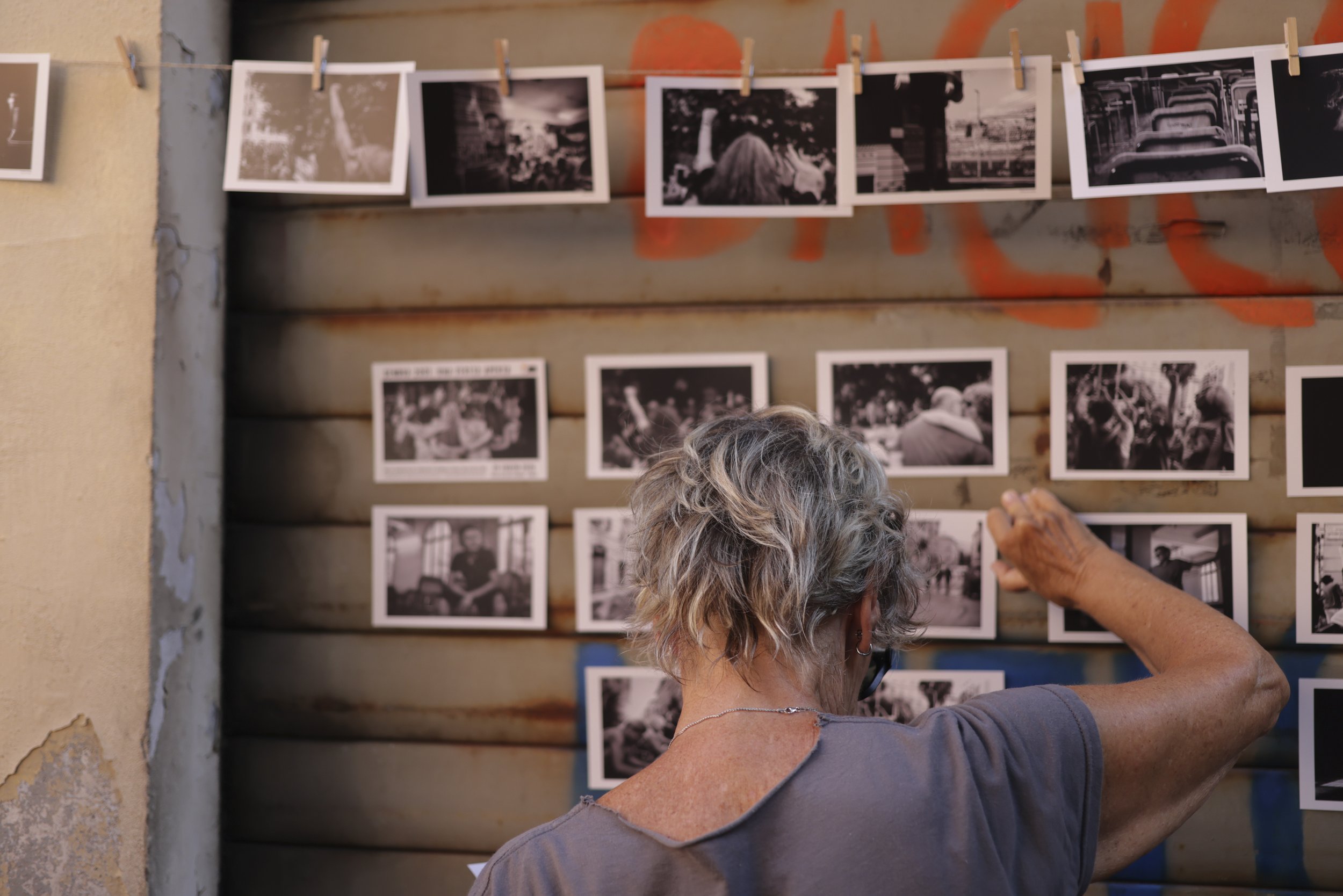
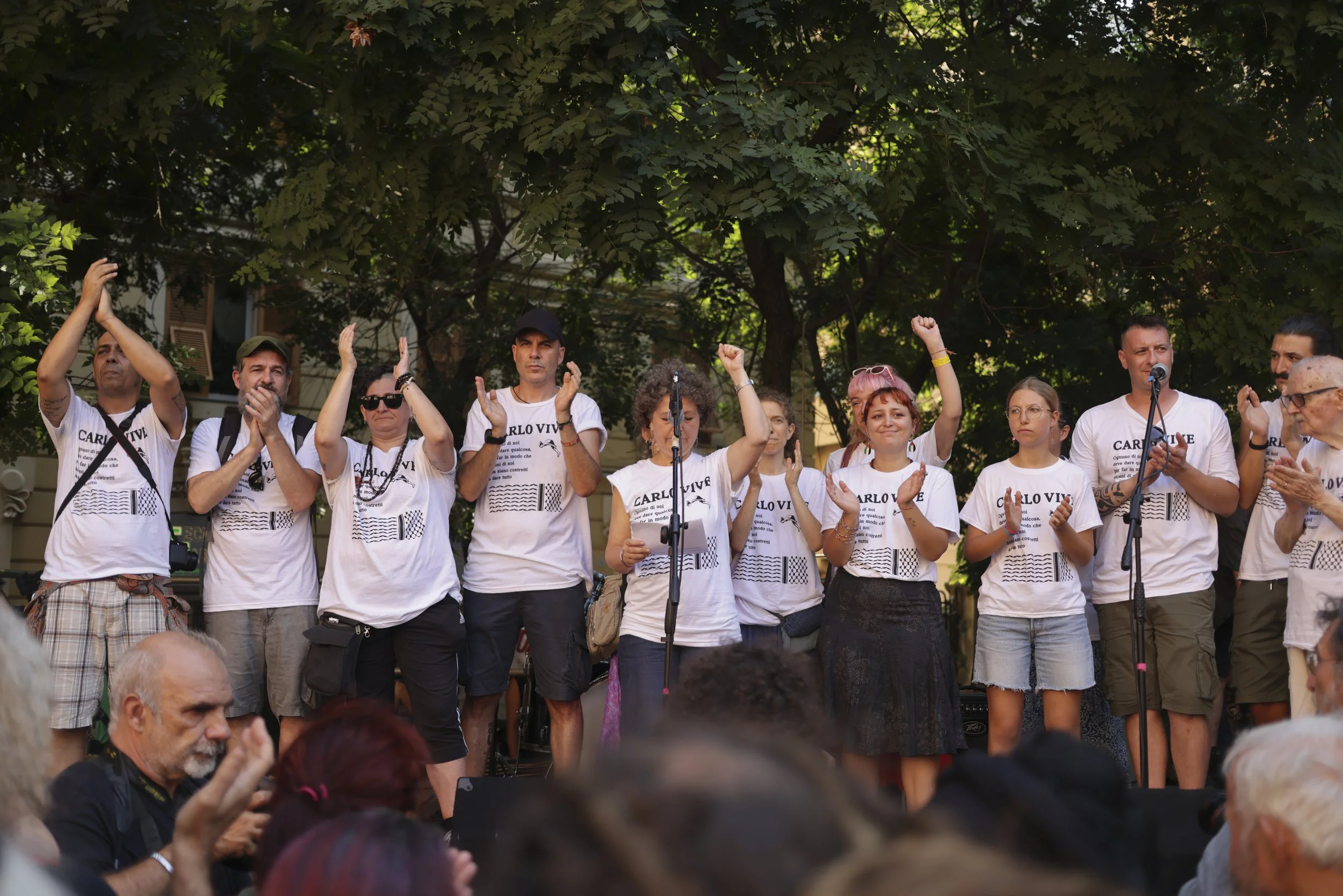
The initiative was organized by @comitato_piazza_carlo_giuliani, which for years has worked to preserve Carlo Giuliani’s memory and keep alive the broader struggle for truth, justice, and accountability. Through commemorations, public discussions, and cultural events, the committee has sought to ensure that Piazza Alimonda and the city of Genova remain not simply places of mourning, but spaces for reflection, resistance, and collective memory.
The 2001 G8 summit brought together in Genova, the leaders of some of the world’s most powerful industrialized nations to discuss the global economy, trade, climate, and security. It also became the focus of a massive anti-globalization movement, as thousands protested against inequality, corporate power, neoliberal policies, and capitalism.
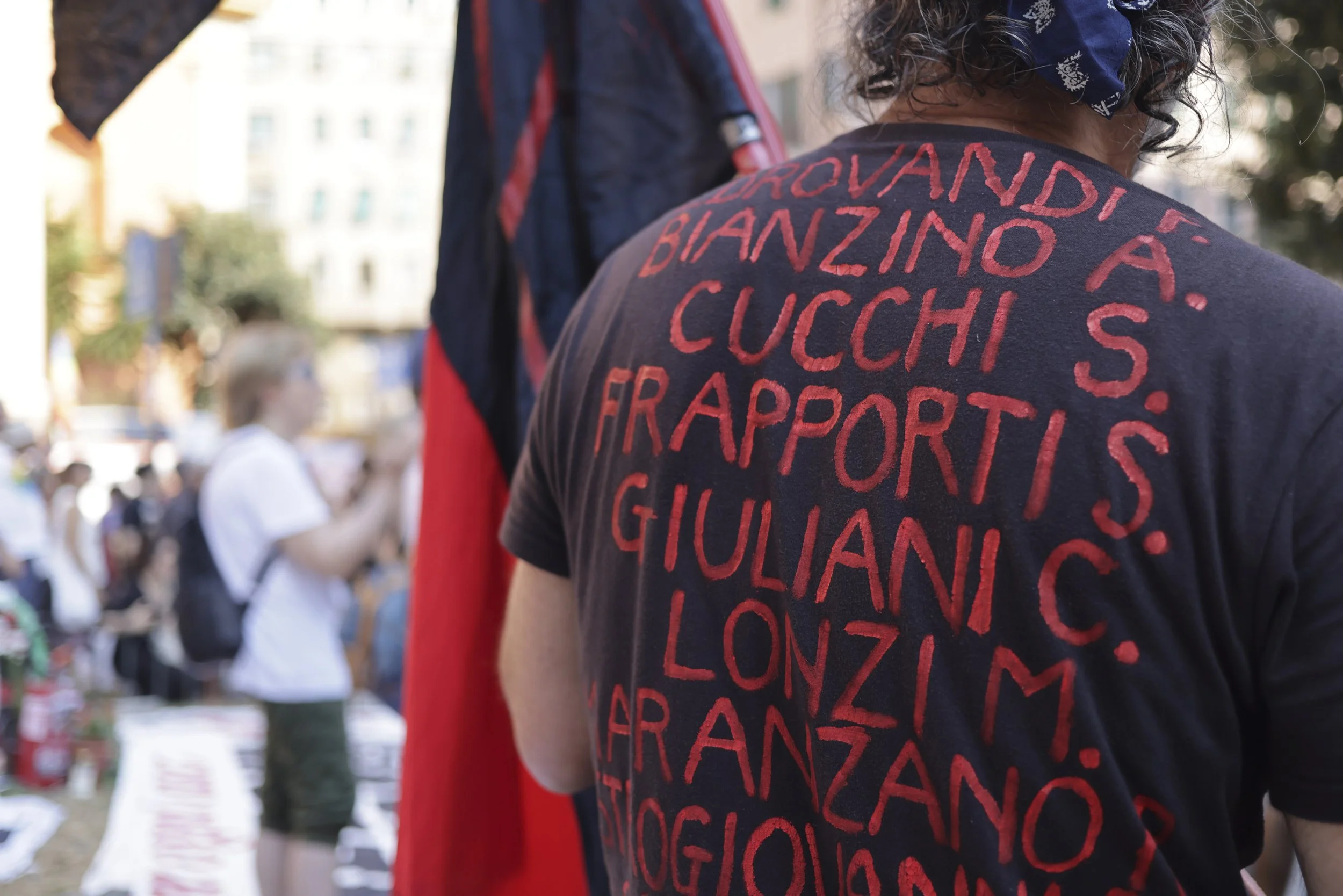
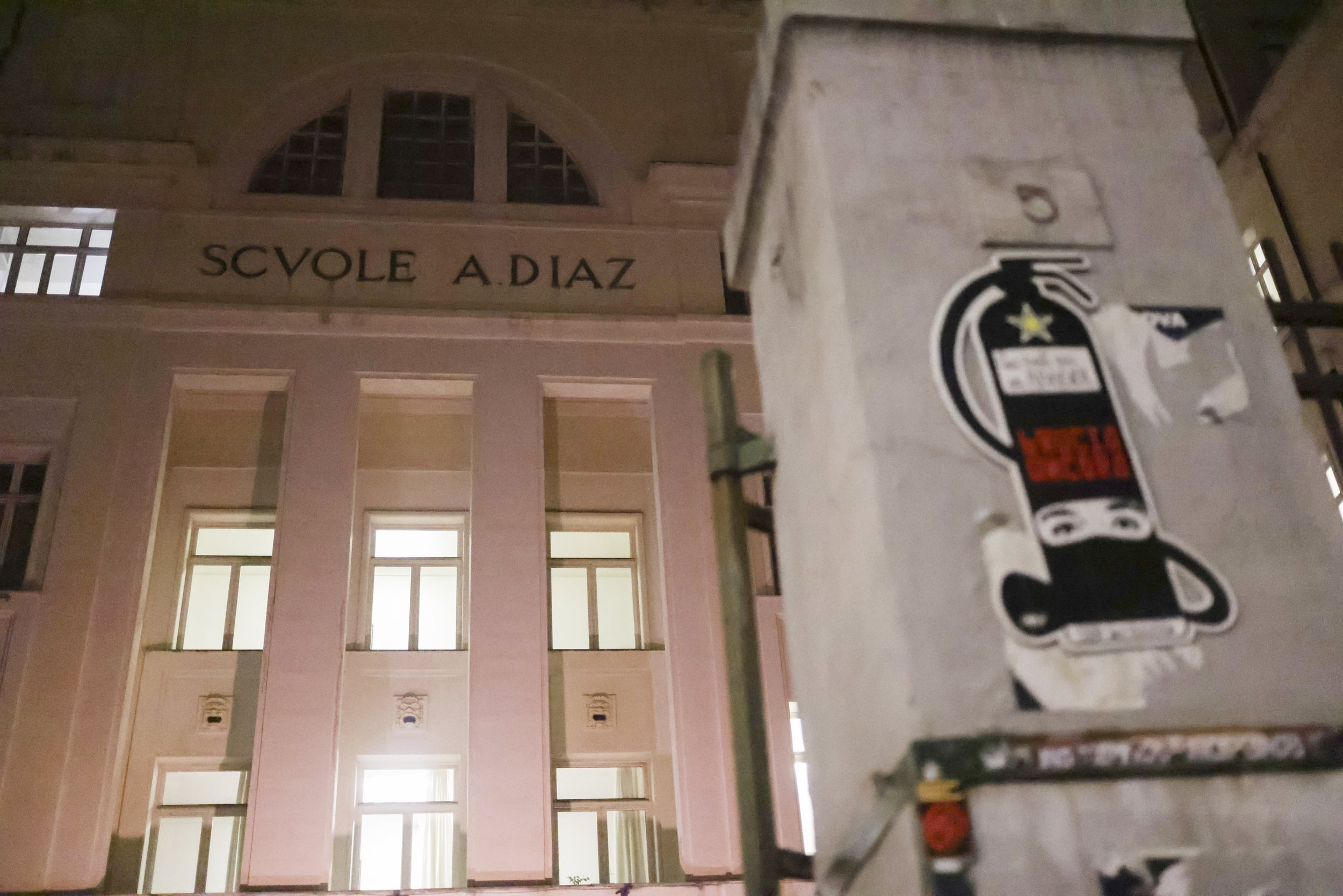
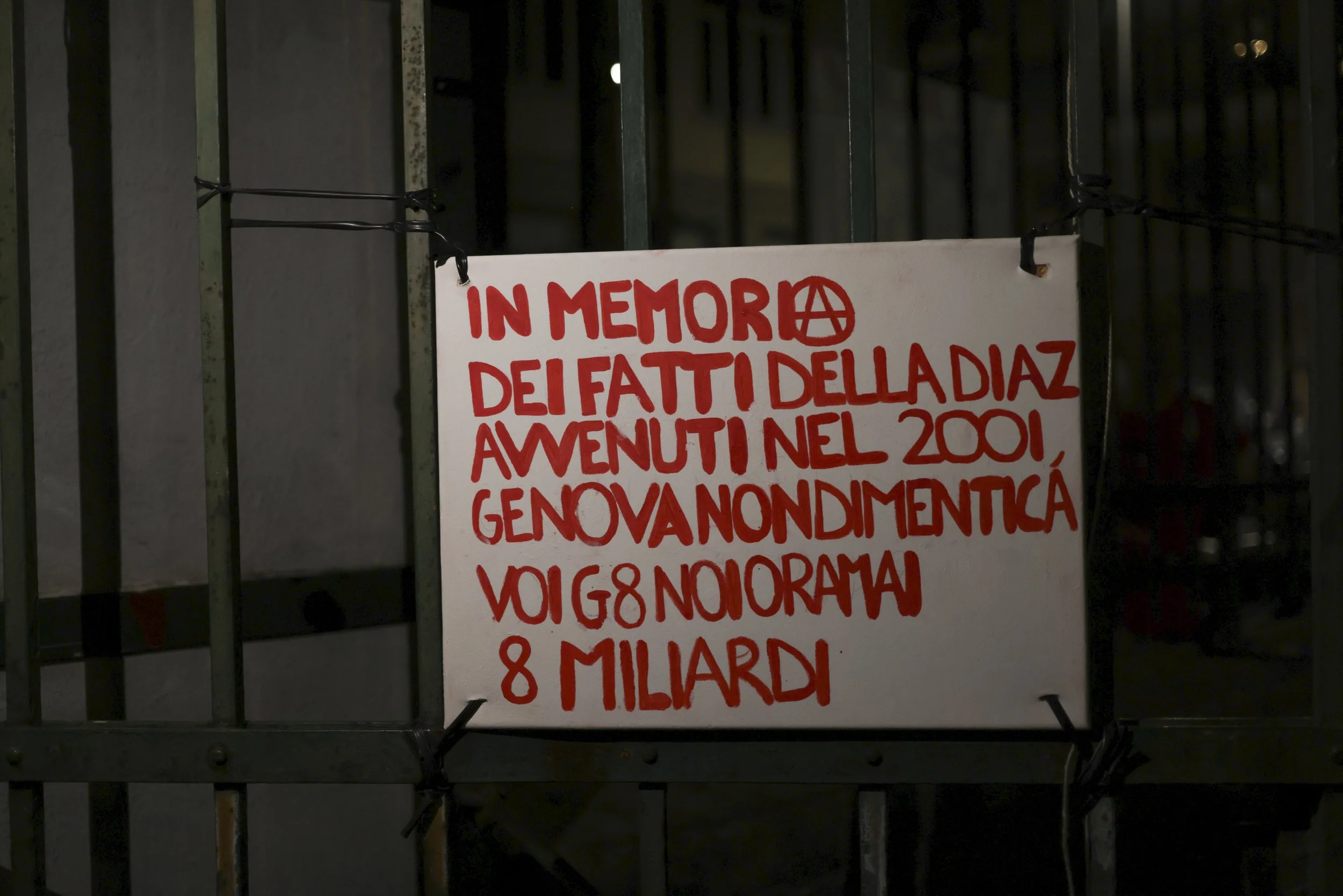
The demonstrations in Genova also remembered the victims of the brutal police repression that unfolded during those days: those beaten and abused during the raid on the Diaz school, and those subjected to torture and humiliation at the Bolzaneto police barracks.
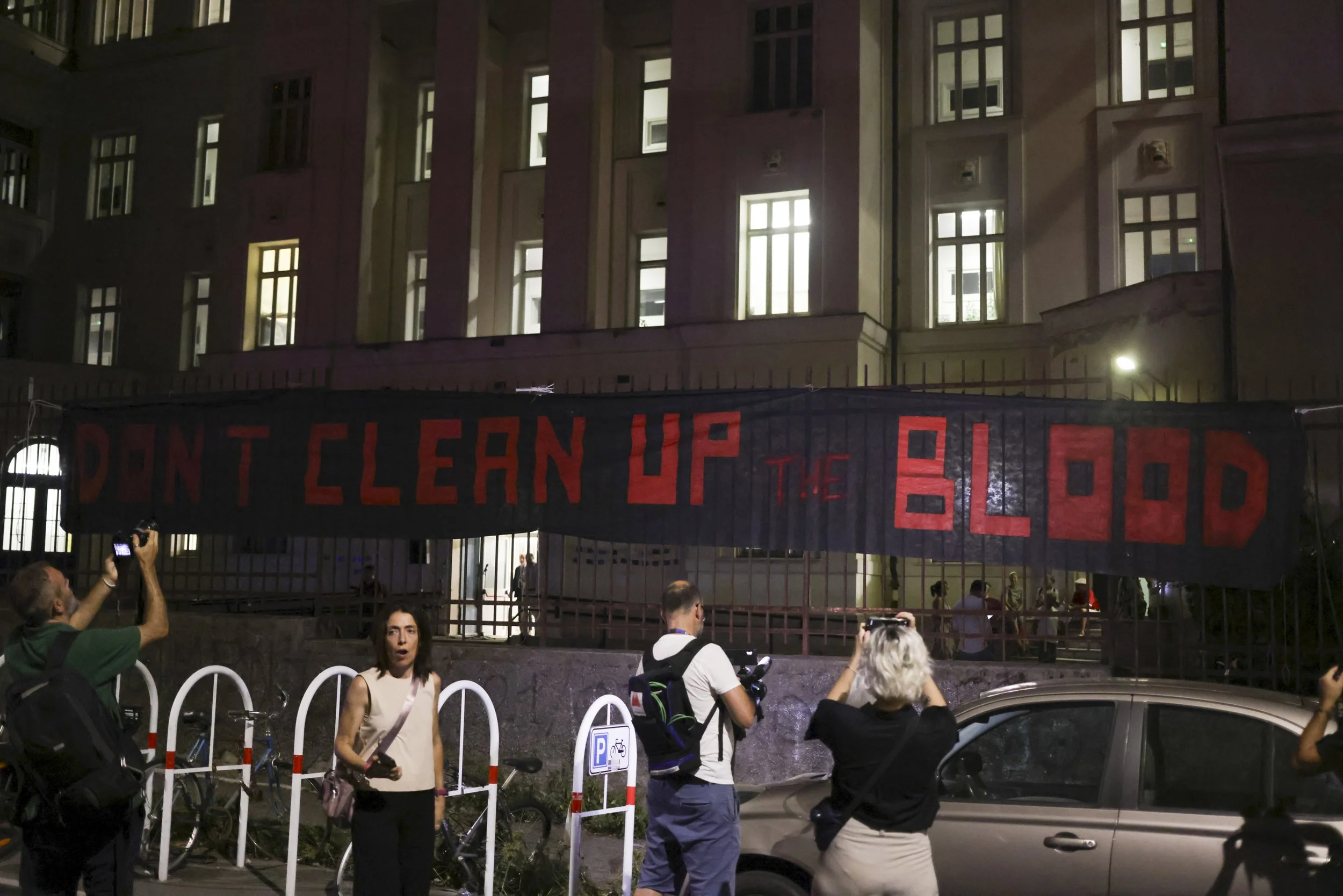
On the night of 21–22 July 2001, police stormed the Diaz school, where protesters, activists, and journalists were staying after days of demonstrations against the G8 summit. 93 people were arrested and 61 were injured, many suffering severe injuries that required hospitalization.
The violence of the raid was later described by one senior police official as a “macelleria messicana” “Mexican butchery” a phrase that became a lasting symbol of the brutality of the operation.
The events at Diaz, together with the abuses at Bolzaneto, became some of the darkest episodes in Italy’s recent history. Amnesty International condemned the violence and the excessive use of force, describing the events surrounding the Genoa G8 as “the biggest suspension of democratic rights in a Western country since the Second World War.”
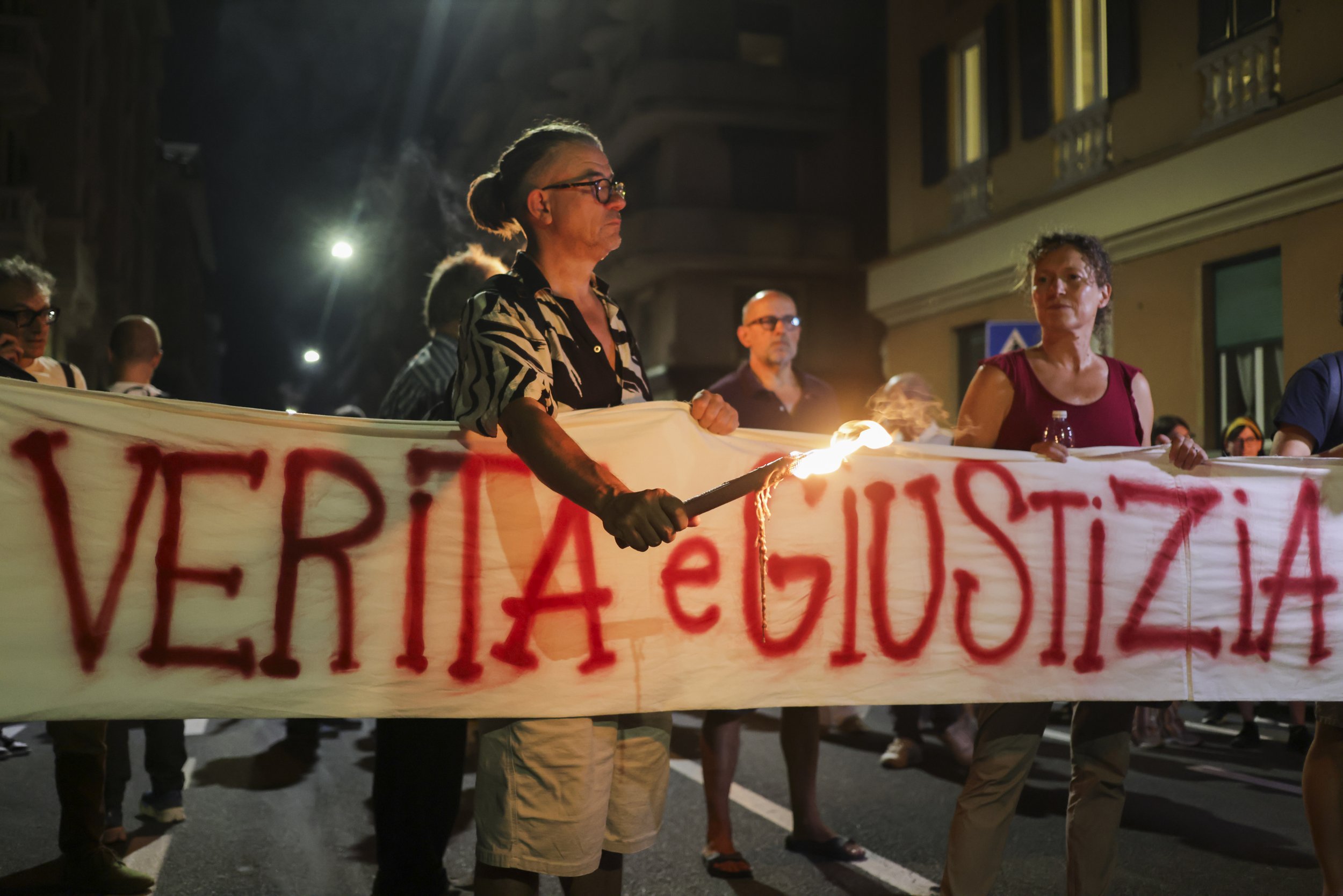
The vigil held in Genova on 21 July 2026, marking 25 years since the Diaz raid, was therefore not only a moment of remembrance. It was also a political demonstration against police violence, the criminalization of dissent, and the repression of social movements.
For Genova, these events remain symbols of state repression, police brutality, and impunity. Twenty-five years on, the march continues to demand truth, justice, accountability, and to keep alive the lessons, struggles, and collective action of the movement that took to the streets of Genova in 2001.
Genova does not forgive.
Genova does not forget.